
Architect Akshaya Balakrishnan, a Chennai-based conservation architect and founder of Earthwall Studio, believes that heritage conservation is not about preserving the past alone — it is about creating a sustainable future rooted in cultural memory. In an exclusive conversation, she discusses her journey, the challenges of conserving heritage structures, and why awareness and community participation are key to protecting India’s architectural legacy.
The Journey into Heritage Conservation
Akshaya’s fascination with conservation began during her undergraduate internship, where she studied ancient ruins and traditional settlements. “I was always drawn to sustainability,” she recalls. “But most of what we learned in college focused on carbon emissions and green ratings. It was only when I encountered the subject of conservation that I realized how deeply it connects sustainability with culture and community.”
This revelation led her to specialize in heritage conservation architecture, working extensively on both government restoration projects and private residences. Through Earthwall Studio, her team focuses on temple conservation, adaptive reuse, mud and lime construction, and natural building technologies.
Understanding the Scope of Conservation in India


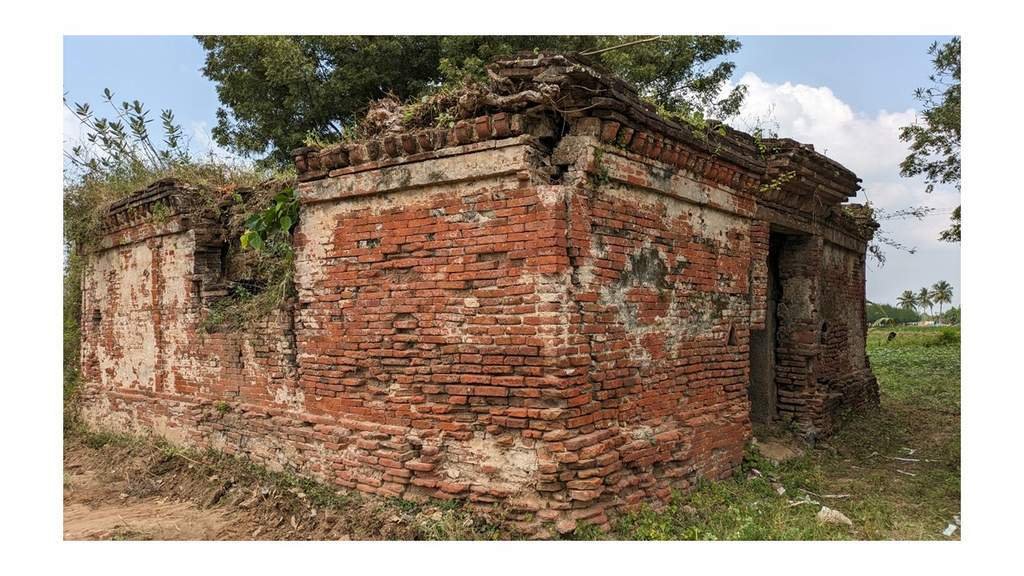





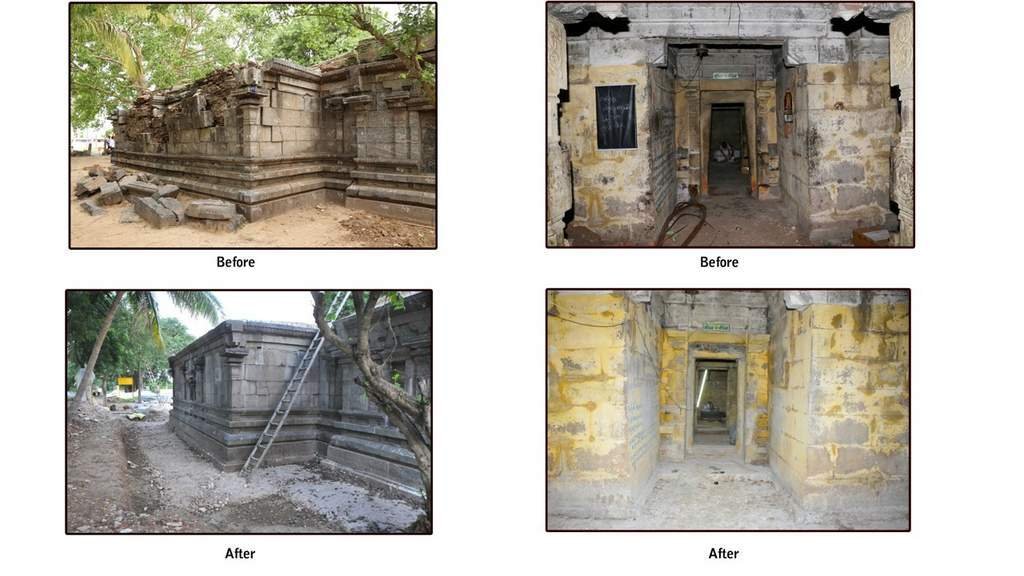
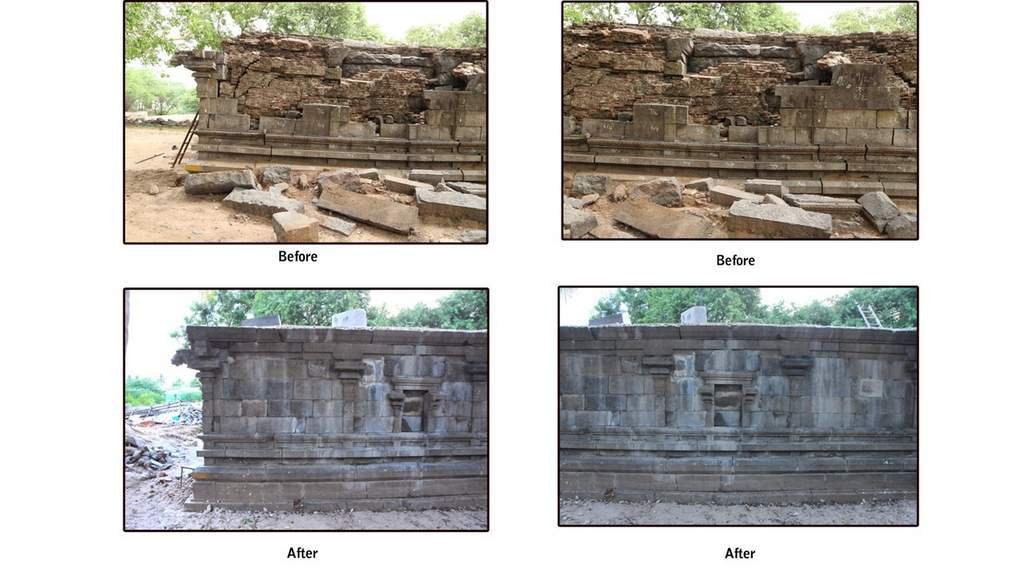

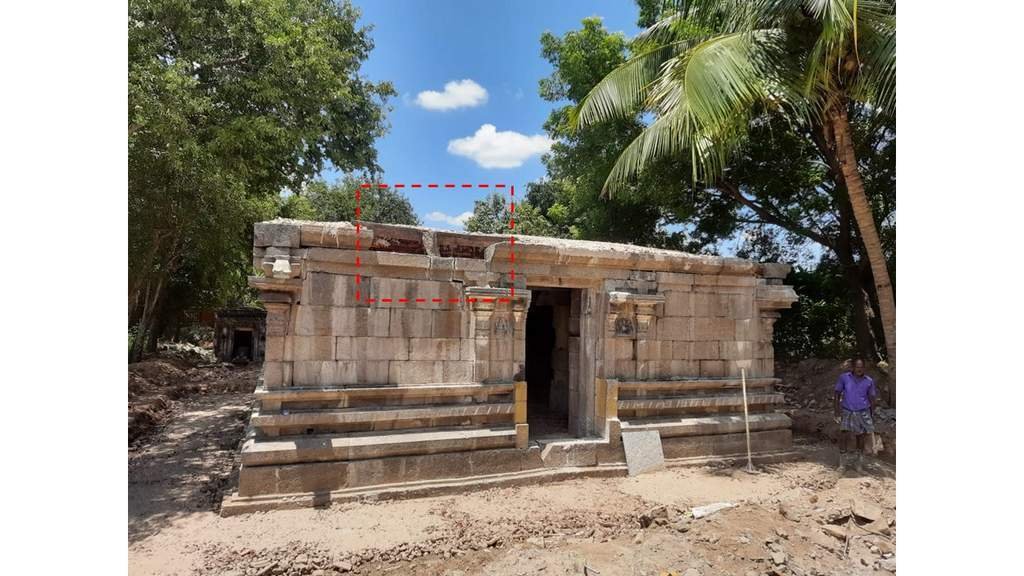
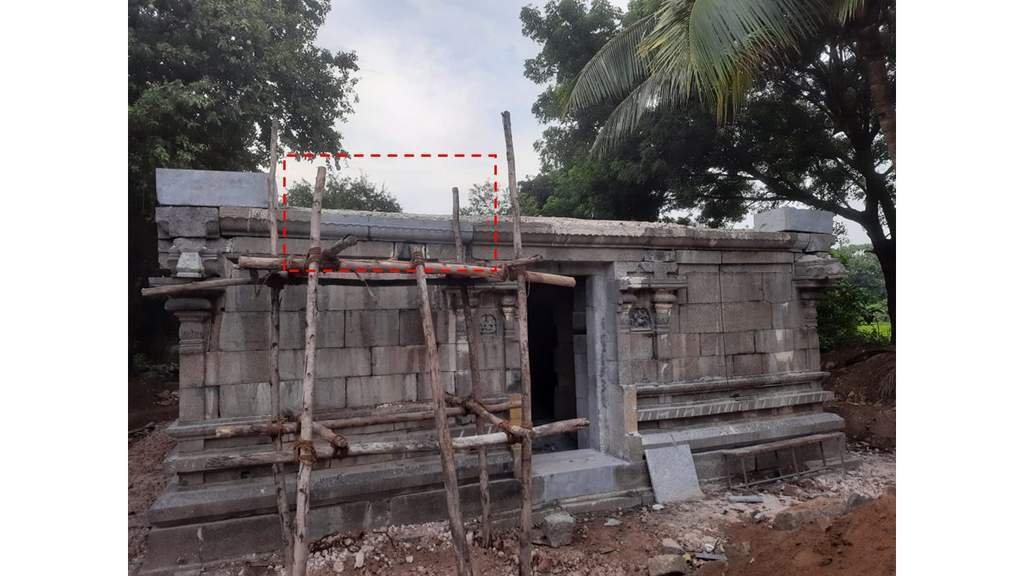
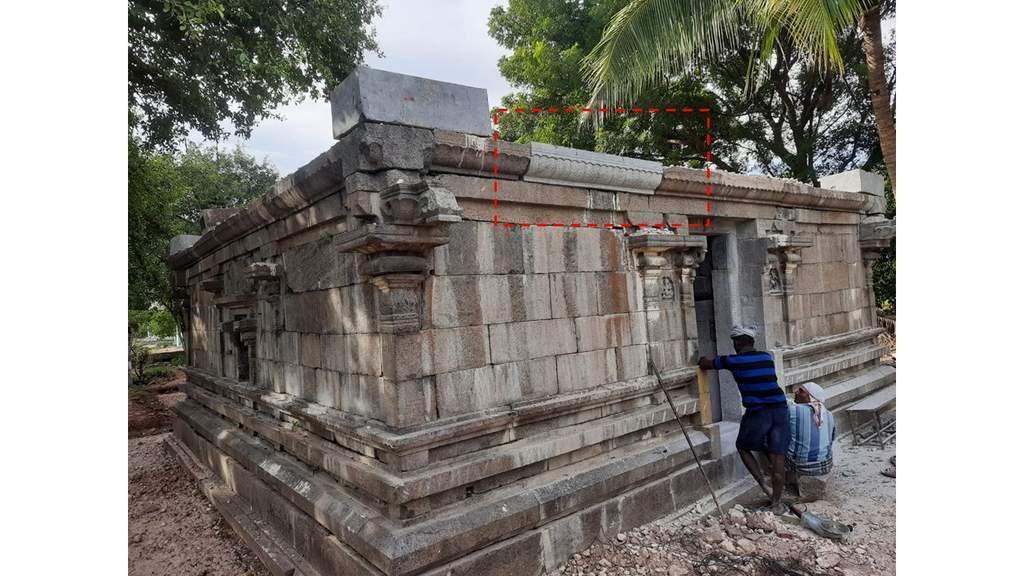


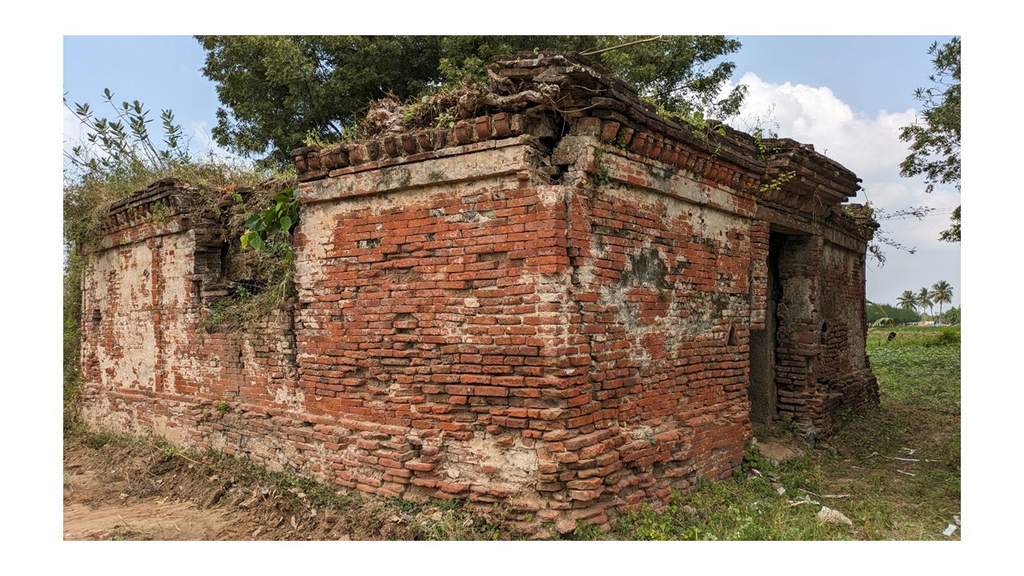
Contrary to popular belief, Akshaya emphasizes that heritage conservation in India is not limited to grand temples or monumental palaces. “Every old house, every small tiled roof home in a village, is part of our heritage,” she says. “People often assume heritage buildings are only large stone structures, but even humble homes hold immense cultural value. The key is helping people recognize that value before it is lost.”
During her field studies in villages like Konerirajapuram, she noticed how traditional houses were rapidly being replaced with concrete buildings. While some families built new homes to show modernity or status, others retained their old tiled houses because they were naturally cooler and more comfortable. “That contrast showed me that heritage is not just about aesthetics,” Akshaya explains. “It’s about understanding the wisdom embedded in traditional design.”
Structural Challenges in Heritage Restoration
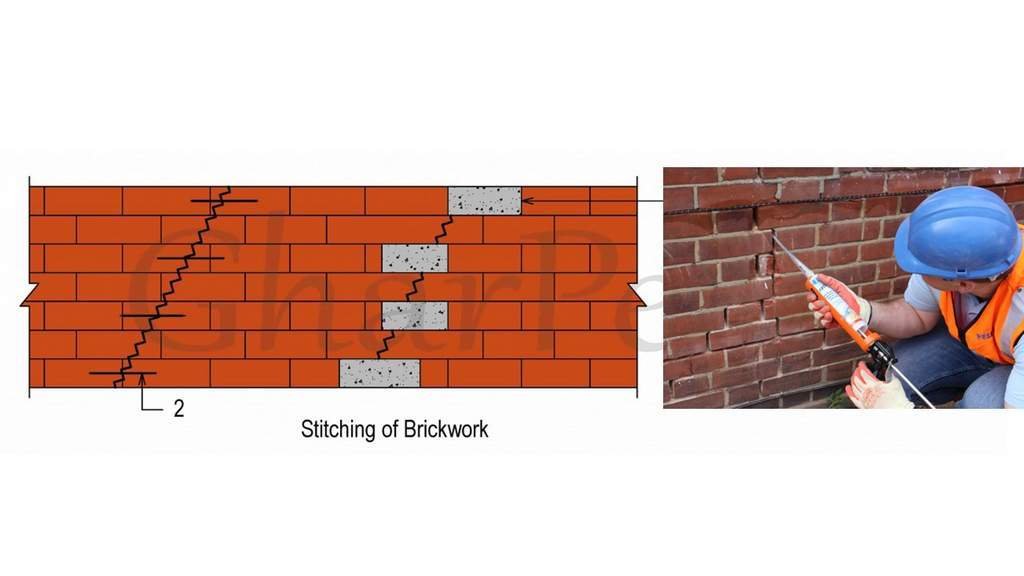
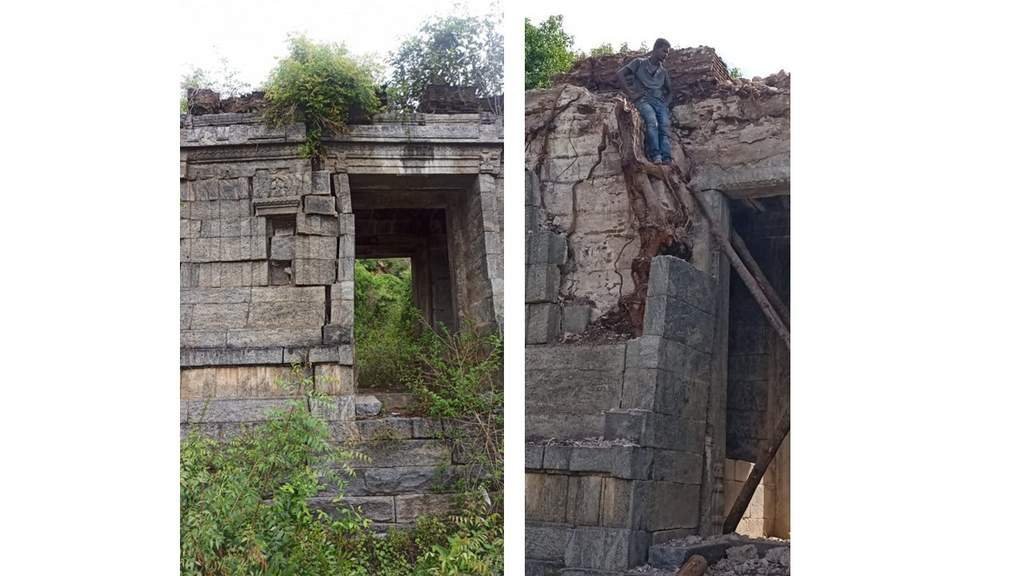
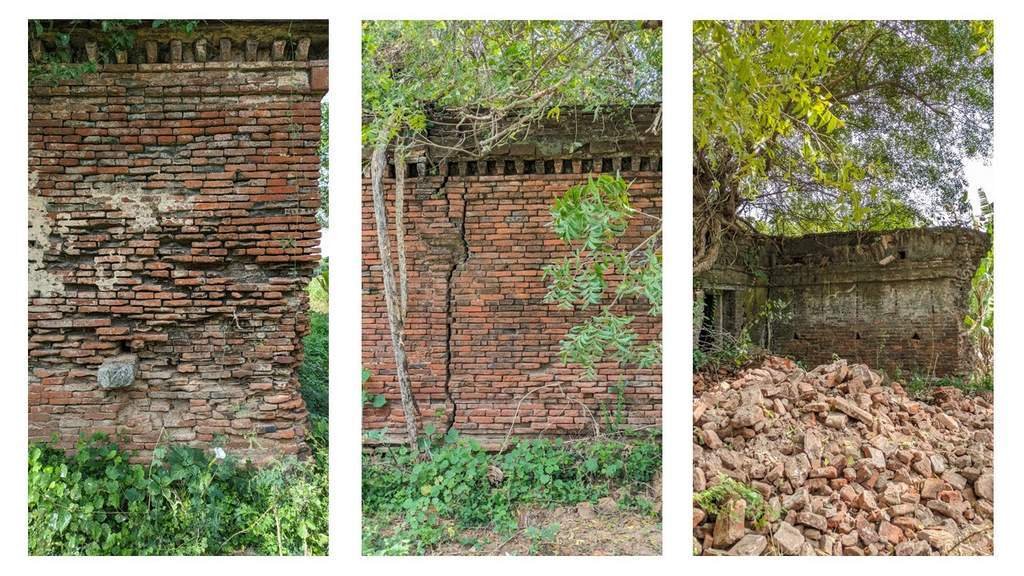
One of the major challenges in conserving ancient temples and heritage buildings is vegetation growth. If not addressed early, tree roots can penetrate the stone or brick structure, causing cracks and dislocation. “In stone temples, the affected stones can be carefully removed, the roots cleared, and the stones refitted,” Akshaya explains. “But in brick structures, we often have to remove and rebuild entire sections, which is far more complex.”
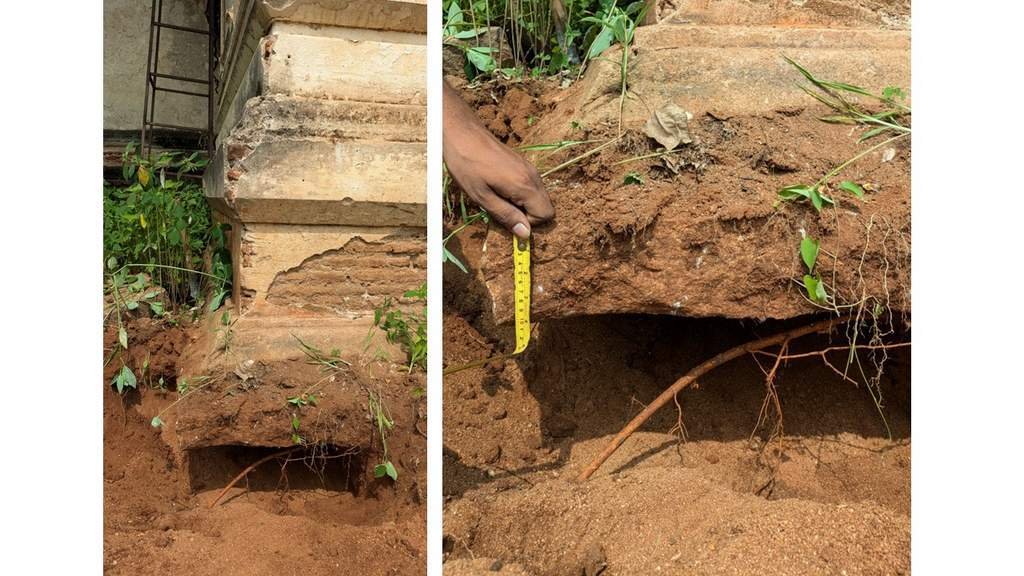
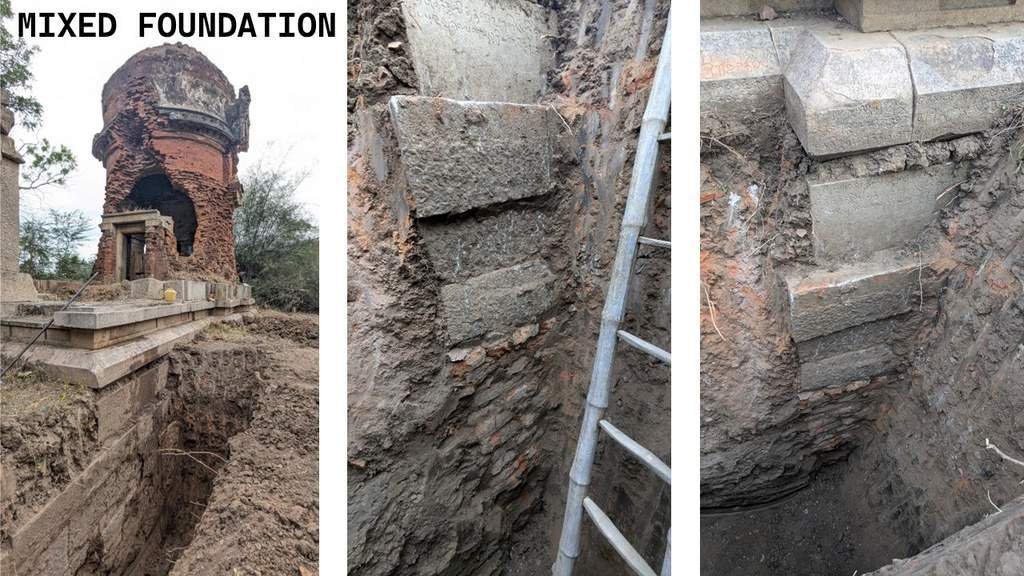
Another recurring issue is structural settlement, particularly in temples located near rivers or coastal areas. Over time, soil erosion leads to uneven settlement and visible cracks in walls and door frames. Akshaya notes, “Once settlement begins, it’s difficult to completely arrest it. The process demands meticulous investigation and long-term planning.”
When it comes to materials, Akshaya points out the growing gap in quality between traditional and modern resources. “Earlier, every piece of timber or stone was hand-dressed and sculpted with care,” she says. “Today, machine cutting makes surfaces smooth and uniform, which reduces natural interlocking strength. The binding mortars we use now cannot match the durability of traditional lime mixtures.”
Human and Environmental Factors
Humidity and lack of ventilation pose serious threats to old buildings. Many heritage structures remain locked for years, preventing light and air from circulating. “This trapped moisture invites termites, insects, and even bats,” Akshaya says. “Their waste is acidic and corrosive, causing extensive damage to walls and ceilings.”
She urges caretakers and temple administrators to take simple preventive steps — such as keeping windows open regularly to allow natural ventilation and light. “Even this small act can prevent 70% of common problems in heritage buildings,” she asserts.
The Role of Traditional Skills and Craftsmen
The dwindling number of skilled artisans is another concern. “Many masons who once mastered lime or stone work are no longer active,” Akshaya laments. “Younger generations are moving towards faster, commercial construction practices.” Her team often works with elderly craftsmen and trains new workers to handle traditional materials properly — from fermenting lime to interlocking stonework.
“It’s a continuous learning process,” she says. “If we don’t respect the material, if we rush with cement and modern methods, the building will not survive. Conservation requires patience and empathy — qualities that are slowly disappearing from the construction industry.”
Modern Interventions and Misguided Repairs
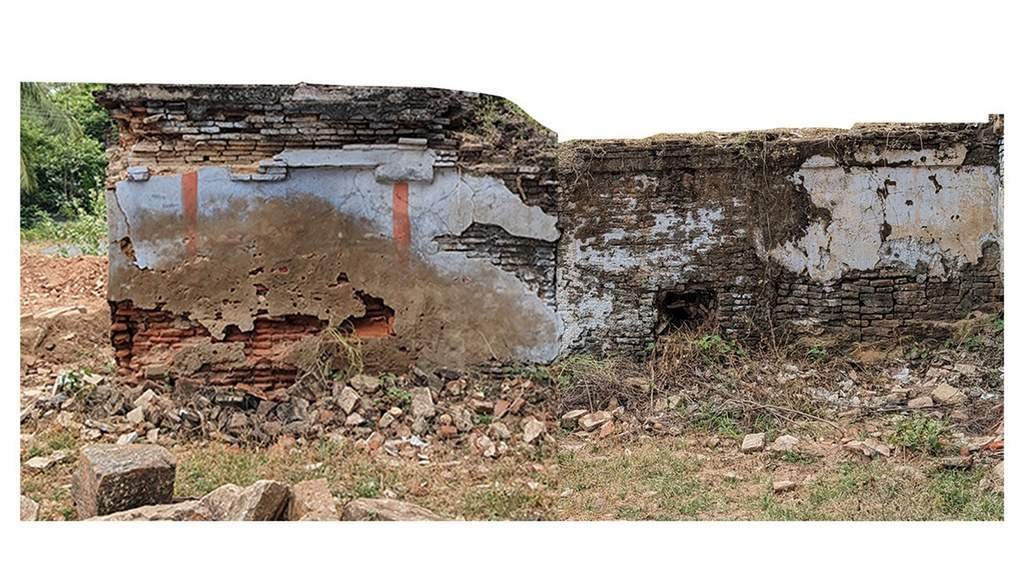
Akshaya warns against unsympathetic modern interventions, such as applying cement plaster over lime walls or replacing lime weathering courses with concrete. “Cement traps moisture within walls, leading to salt efflorescence and cracks,” she explains. “Similarly, adding unnecessary loads like overhead tanks or new roofs without proper assessment can weaken the original structure.”
She stresses that not all modifications are harmful. Some additions made decades ago have become part of a building’s history. “We must evaluate each case carefully,” she advises. “If a later addition enhances the building’s stability or usability without damaging its integrity, it can be preserved.”
The Need for Community Awareness
According to Akshaya, local communities are the first line of defense in safeguarding heritage. “If villagers remove weeds or prevent trees from growing on temple walls, we can avoid most structural issues,” she says. “Awareness is more powerful than any conservation tool.”
She believes that conservation efforts must go hand-in-hand with public education and empathy. “People repair temples out of devotion, but often use harmful materials like cement thinking they are protecting them. Awareness programs can help them understand safer methods.”
Technology and Documentation
Modern technologies like 3D scanning, photogrammetry, and drone documentation are transforming conservation practices. “Not every detail can be recorded manually,” Akshaya explains. “Digital documentation allows us to preserve even the smallest carvings or mural paintings in high precision, helping future generations restore them accurately.”
Conservation as Sustainable Practice
Akshaya draws a direct connection between heritage conservation and sustainability. “Everything we call sustainable today — natural materials, passive cooling, low carbon construction — was already part of traditional building systems,” she notes. “The less we intervene, the longer a structure survives.”
Minimal and sensitive restoration, maintaining proper drainage patterns, and using natural materials are key steps toward sustainable conservation. “The goal is not to rebuild, but to respect what already exists,” she says.
The Future of Heritage Conservation in India
While the conservation field in India is still developing, Akshaya sees immense potential. “There are thousands of temples and heritage buildings waiting for attention,” she says. “Conservation is not just for architects — material scientists, engineers, photographers, and digital technologists all have a role to play.”
With growing awareness among people and institutions, she believes the future is promising. “Just as organic farming and sustainability have gained global recognition, heritage conservation too will find its rightful place in society. It’s not just about saving old structures — it’s about preserving our identity, wisdom, and continuity.”
