
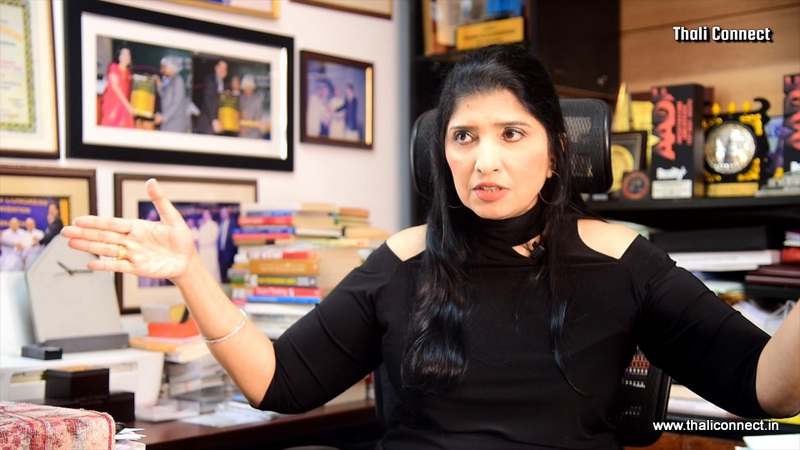
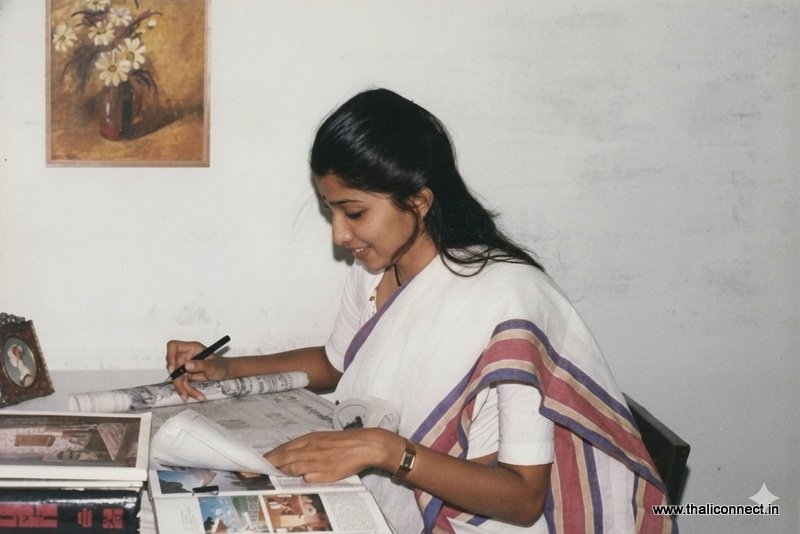
Architect Dr. PONNI M. CONCESSAO, a trailblazer in the field, sat down for an insightful interview, offering a deep dive into her architectural journey, her educational experiences, and her views on the evolving role of women in the profession. Discussing everything from her time as the first woman undergraduate student at NIT, Tiruchirappalli, and her advanced studies at Cornell and Harvard, to her work on monumental projects like the Telangana Secretariat building, Dr.Ponni’s perspective is both nationalistic and globally informed. Her commitment to indigenous design principles and her drive to build the nation shine through in her practice.
About Oscar & Ponni Architects (Now OPR Architects)
Ponni & Oscar Architects, based in Chennai, is the influential practice founded by the husband-and-wife team, Dr. Oscar G. Concessao and Dr. Ponni M. Concessao. Their firm is built on the philosophy that innovation, sustainability, and creativity, when paired with diligence, lead to exceptional architectural outcomes.
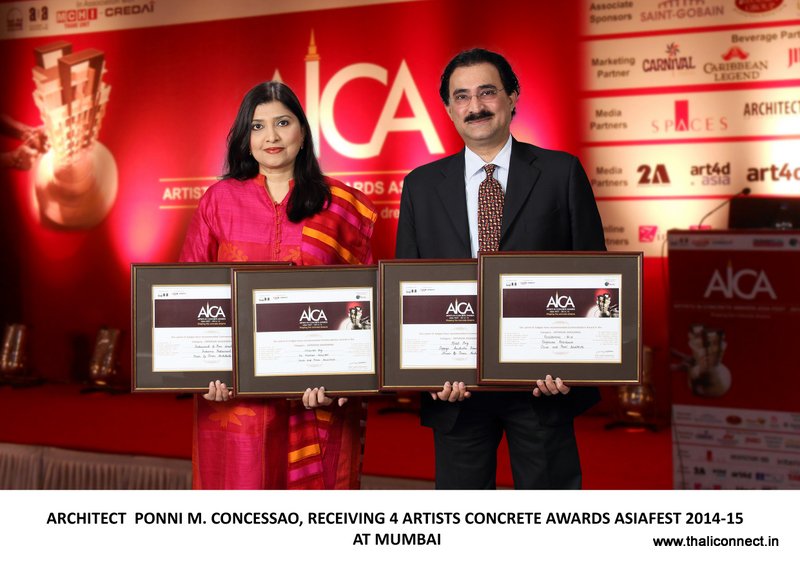
The duo established a formidable academic foundation, both earning their B.Arch degrees from the Regional Engineering College (now National Institute of Technology, Tiruchirapalli) in 1986 and 1987. They then pursued higher studies in the United States: Dr. Oscar earned his Master’s in Architecture and Urban Design from the University of Oklahoma, while Dr. Ponni, on a Tata scholarship, completed her Master’s in Architecture from Cornell University. Both further specialized through advanced professional studies at Harvard University. Their dedication to the field has been recognized with Honorary Doctorates for Modern Architecture and Architectural Science from the University of Malaysia and Università di Milano.
Prior to establishing their own practice in Chennai, Dr. Oscar and Dr. Ponni gained invaluable global experience working in New York City with leading architectural firms, specializing in large-scale, complex projects such such as skyscrapers, institutional buildings, hotels, hospitals, and stadiums.
Since returning to India and founding their practice in 1996, the firm has developed a versatile portfolio spanning numerous typologies, including universities, medical colleges, IT/Biotech/Nano Technology Parks, large townships, hospitals, luxury bungalows, and significant Government and State buildings, such as the Telangana Secretariat. Their reach extends across India, the Middle East, and the Far East.
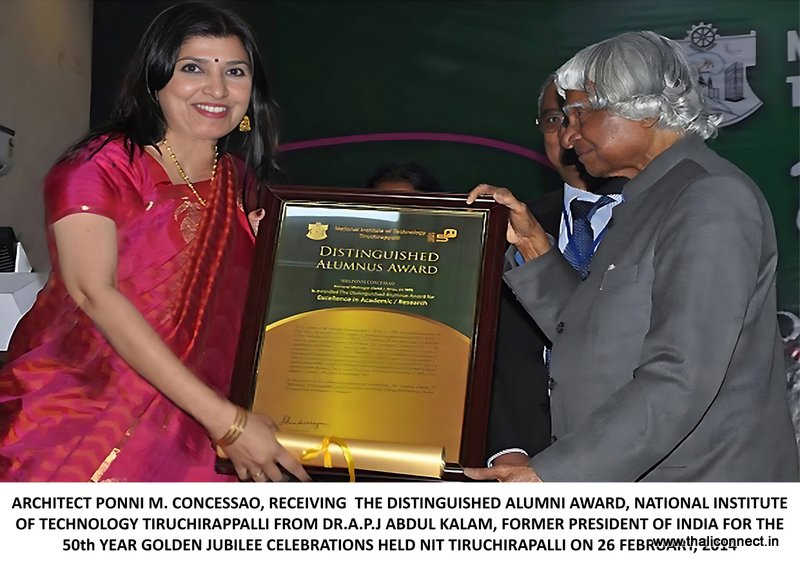
Oscar & Ponni Architects is among India’s most decorated firms, having won over 212 International, National, and State Awards for their work in architecture and interiors. Key accolades include the ‘Excellence in Built Environment’ award presented by former President of India Dr. A.P.J. Abdul Kalam, the prestigious IIA National Award for the Sastra BioTech Park, and numerous Indian Buildings Congress Awards. Both founders are also recipients of the Distinguished Alumni Golden Jubilee Award from NIT, Tiruchy, highlighting their enduring impact on the profession. The firm continues to shape India’s architectural landscape with ongoing projects in affordable housing, villas, hotels, and skyscrapers.
The Formative Years: NIT, Cornell, and Harvard
Dr.Ponni’s academic career began with a significant challenge: being the first woman undergraduate student at the National Institute of Technology (NIT), Tiruchirappalli, previously a purely engineering college. She recalls facing an entire institute of close to 2,000 boys, coming from the highly protected environment of Church Park Convent and a very conservative family. This immersion in an all-male environment proved to be a “very good practice and a prelude” for the challenges she would later face in her professional life.
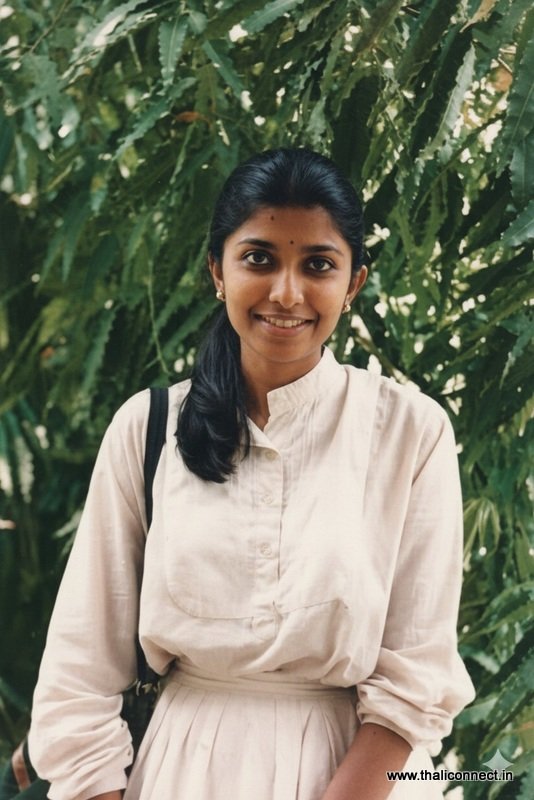
The architecture department, though a smaller crowd, still saw her as the only girl. She credits a wonderful, homely setup and the guidance of a teacher, Professor Ramanan (a famous mountaineer and architect), for helping her feel at ease. Her experience at NIT, a technical college, also gave her a strong technical foundation, transforming her thinking to be “more an engineer,” which is crucial for handling complex projects later in life. She also excelled academically, scoring in the top 2% of her class.
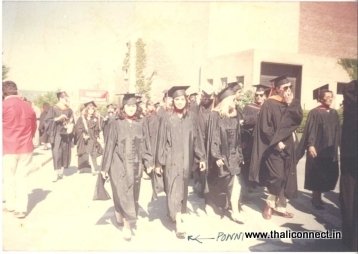
Dr.Ponni continued her education in the United States, studying at Ivy League institutions, Cornell University and later on, Harvard. Even in the US, she was often the only Indian, or sometimes the only Asian, in the classroom. She observed that while India grapples with gender and caste prejudices, the Western environment often deals with race-based prejudices. However, she believes early experiences helped her learn to handle these prejudices later in life.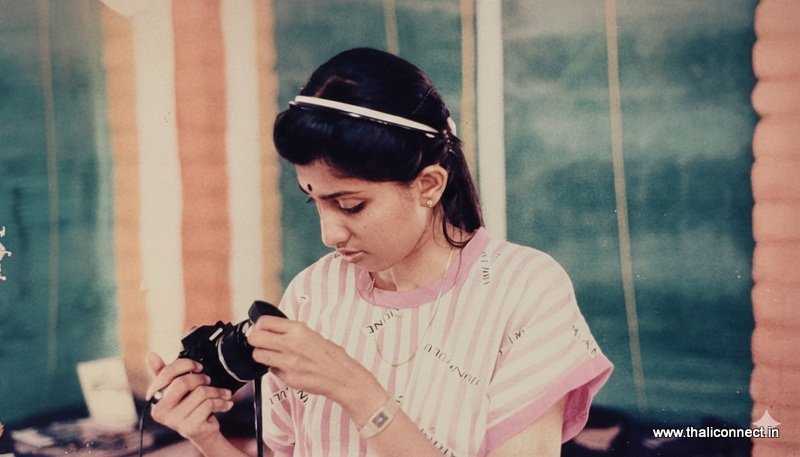
Global Exposure and the Nation-Building Commitment
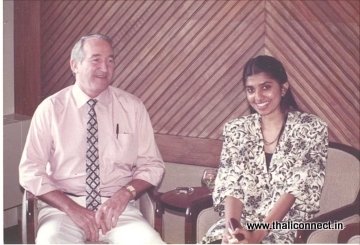
Dr.Ponni attributes her professional identity to two major influences: her motherland, India, and the United States. Her time studying and working in the US gave her critical exposure to global business, which she notes is distinct from local or national business. Success in global business, she learned, requires understanding the cultural background of a person to anticipate their reaction to a proposal. She realized that the world remains largely influenced by Europeans, though Asians like Indians, Chinese, Taiwanese, and Japanese are increasingly becoming major players. This international exposure, working with diverse groups, was crucial for building her own global practice, which now extends to the Middle East and the Far East, bringing awards and recognition.
A more profound impact of her time in the US was the lesson in “gender neutrality”. She explains that in India, “social conditioning” often dictates that a woman’s life is governed by her husband. The American environment, however, taught her to “remove the fear” from her mind and that she is “equal to a man,” a teaching that inspired her to return home and “never get scared of men”. She firmly believes that in business, thinking must be “gender neutral”.
Despite the opportunities abroad, Dr.Ponni always held “very nationalistic dreams,” a core belief since her time at NIT. She had insisted to the US visa official that she would return to India after her education. She is the only person in her NIT batch, and the only one in her immediate family and friends circle, who came back to India with the vision to “build this country”. She proudly calls herself a “nation building architect,” believing India to be the best country in the world.
Architectural Philosophy: Indigenous Wisdom and Sustainability
Dr.Ponni is a staunch advocate for learning from “historical Indian examples” rather than relying on Western architecture. She contends that Western architecture is often more expensive and is pursued mainly “to please western critics,” which she finds ineffective. Her success is evident in her satisfied clients, whose “fabulous, fantastic buildings” have stood the test of time and significantly “brought down the energy bills”.
Sustainability is a cornerstone of her design philosophy. She ensures that 90% of her buildings are either LEED or IGBC rated. Her design for the Telangana Secretariat is, to her knowledge, the only gold-rated IGBC secretariat in India.
A key sustainable feature in many of her “good buildings” is the courtyard. In a tropical climate, the courtyard functions as a “heat exchanger,” drawing hot air from the inside up and allowing cool air to return to the building, ensuring constant, natural air changes. She advises the younger generation to be cautious about using excessive glass, as it may be suitable for Western environments but not always the most sustainable choice in the Indian context. However, she acknowledges that sometimes clients, especially those with US investors, request “American building” aesthetics, which may involve glass.
She and her husband, Oscar, follow European proportions in their work, using an 8 ft lintel instead of the common 7 ft. Furthermore, she emphasizes high ceilings, noting that history proves the “higher the ceilings cooler the space”. In the Telangana Secretariat, this feature was essential for achieving the required “majesty” of a government building and creating a sustainable “stack effect” where warm air rises and vents out.
The Telangana Secretariat: A Classical and Sustainable Marvel
Dr.Ponni’s firm was selected to design the Telangana State Secretariat after a competition that included the top 20 to 30 architects in the country, a “David and Goliath situation”. Their winning proposal was a very classical design that successfully projected the culture of Telangana, as was the key requirement of the brief.
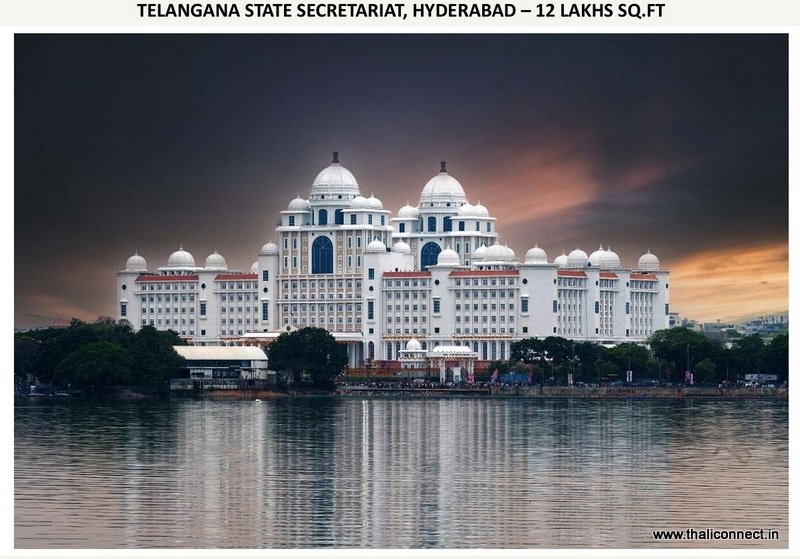
The core inspiration for the secretariat’s plan came from the Sita Ramachandra Temple in Telangana, which has a rectangular footprint, domes on its peripheral walls, and a main gopuram (gopam). Dr.Ponni followed the temple’s exact proportions, incorporating a huge courtyard complex that encloses the entire structure.
The building features an astounding 34 domes with two dome tower complexes, a feature she highlights as unique, noting that even the Washington D.C. capital building only has one dome tower complex. The design uses close to 150-200 columns.
After winning, the design underwent an intense, two-week “design workshop” (or sheret, as the French call it) with 75 people, including politicians, IAS officers, and engineers. Every detail—from the size of the rooms to the proportions of the domes and the final colors—was put under a microscope and scrutinized.
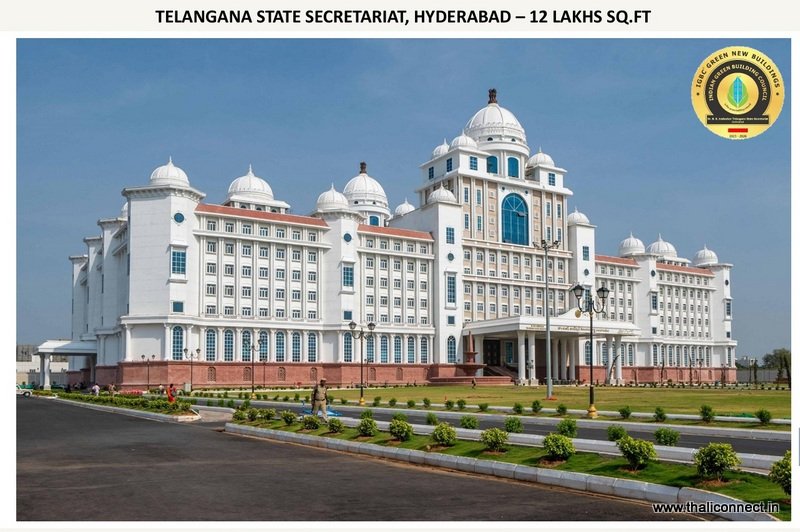
As an “engineer in her mind,” Dr.Ponni advocated for the use of steel and post-tension (PT) construction to meet the chief minister’s ambitious 24-month deadline, a goal they almost met, finishing in 26 months. She pushed for PT construction to ensure column-free construction, an idea that was fully supported by the Chief Minister, who was very open to new ideas and even brought in engineers from the US to ensure the latest technologies were implemented.
Challenges of Working with Government and Gender Bias
Working on a government project like a secretariat, which is a “symbol of the majesty and power of that particular state,” presents unique challenges. Dr.Ponni notes that unlike a private client who generally accepts the architect’s proposal, a government project is governed by strict “systems, rules, regulations, [and] laws” like the NBC norms. This requires fitting the design into their execution parameters, which was particularly difficult with a very classical design.
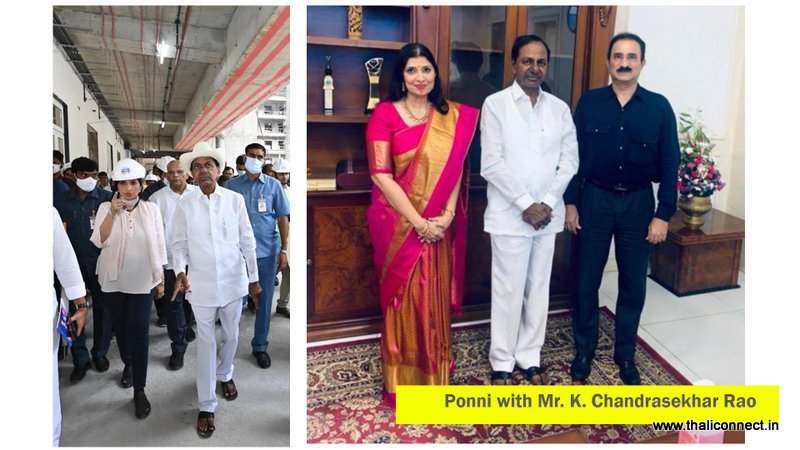
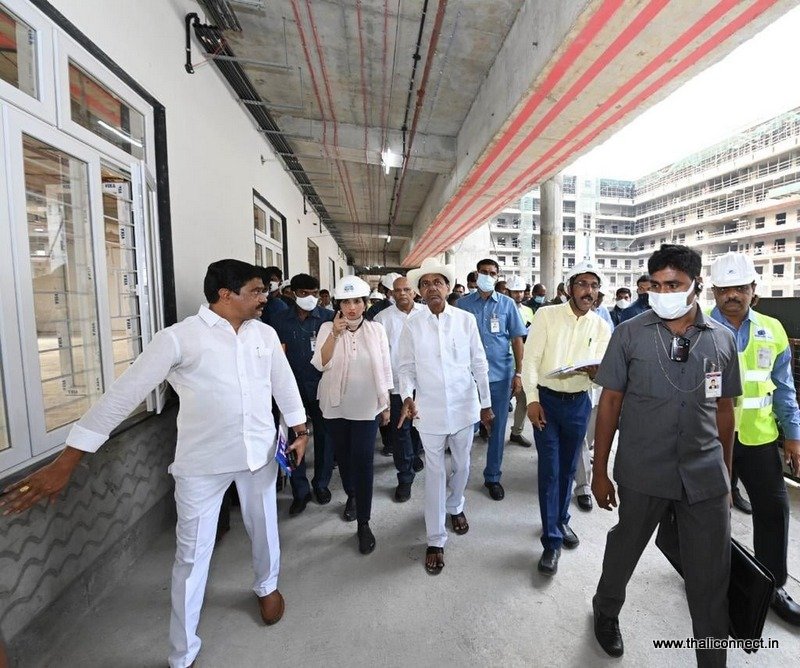
Dr.Ponni was the only woman sitting in an all-male environment during meetings for the large-scale project, which included the PWD team and political teams. She recalls that her NIT experience was a crucial preparation for this.
Despite her qualifications, she faced initial gender bias from the contractors. She remembers that in the beginning, “no one took me seriously,” and contractors would often address her husband, Oscar, asking him to “control your wife”. She eventually had to take charge, telling them, “look, it will be as I say”. She credits the then Chief Minister of Telangana for encouraging women, having confidence in her, and supporting her by checking with contractors to ensure “Oscar and Ponni [were] happy with your execution”.
The challenges were numerous, including site meetings that would start at 10 PM and end at 2 AM. She mentions that women face specific difficulties on site, such as the lack of toilet facilities, and that she frequently traveled to sites made her sick and prone to infections. To succeed in the “roughshot industry” of building construction, especially for a woman, she advises, “you can’t afford to be a nice person,” as “niceness means you get ironed most of the time”. She views being on the offensive as the “best part of defense” and is non-compromising on her design.
Women in Architecture: Challenges and the Future
Dr.Ponni acknowledges the drastic difference in the gender ratio between academia and practice. While 70-80% of architecture students today are girls, only a small percentage—about four or five out of 30 in a class—will eventually have their own practice. This is a universal problem, not limited to India.
She points out that the architectural field is male-oriented, with clients, contractors, sub-consultants, and facility managers being “mostly male”. The physical demands, like traveling in odd hours and dealing with a lack of sanitation on site, pose safety and health concerns for women. Many women, therefore, find it easier to teach, go into research, or work part-time. She believes that for real change, India needs to reach a state of “absolute gender equality”.
Dr.Ponni’s message to young women is to “follow your heart” and see challenges not as roadblocks, but as a “step to success”. She asks them to envision how they want to be remembered 30 years from now: as a housewife, an academician, or “somebody who changed the landscape of a country”. She personally considers herself a “Nation Builder” and is currently working on the ₹300 crore Coimbatore Grand Library and Science Center, modeled along NASA lines.
She is optimistic about the support women are currently receiving, especially from the Tamil Nadu state government, which she ranks as number one in “pushing women to the front line”.
Nurturing Talent from Rural India
Dr.Ponni highlights that “the wealth of our country sits in rural India” and that the best employees in her firm are women from Tier 2 and Tier 3 cities or villages. She describes these women as “highly ambitious, very upward looking,” with a lot of self-confidence, unlike some women from urban areas.
However, these women often lack “English speaking skills” and grooming, which takes time to develop. Therefore, she advises state governments to hold workshops to teach these girls “how do you present an idea” and “how do you convince a client,” stressing that language should never be a barrier. She notes that while English proficiency may not be necessary in the government sector, it is crucial for climbing the corporate or MNC ladder.
She advocates for an education system that moves away from blindly following the British model and incorporates courses in business management, PR (public relations), and risk management, as is done in the US. Dr.Ponni believes that the passing of the 33% reservation for women in the assembly will bring about “huge sweeping changes” and see women becoming the leaders of society.
She concludes with an empowering message: “Follow your dreams, work hard… Work smart. I’m not saying no. But know your dreams, have clarity and work towards that dream. I think anyone would achieve success”.
