As we celebrate International Olympics Day, we honor the rich history and global impact of the Olympic Games. Olympic stadiums stand as magnificent symbols of athletic prowess, global unity, and architectural ingenuity. These colossal structures are more than just venues for sporting events; they encapsulate the spirit and legacy of the Olympic Games. From their grand facades to innovative design features, Olympic stadiums have become iconic landmarks around the world.
In this article, we embark on a captivating journey to explore the architectural marvels and unique features that make these stadiums truly exceptional. Join us as we delve into the captivating world where form meets function, and where architectural brilliance shapes the unforgettable Olympic experience.
Olympic Stadium, Athens (Greece, 2004):
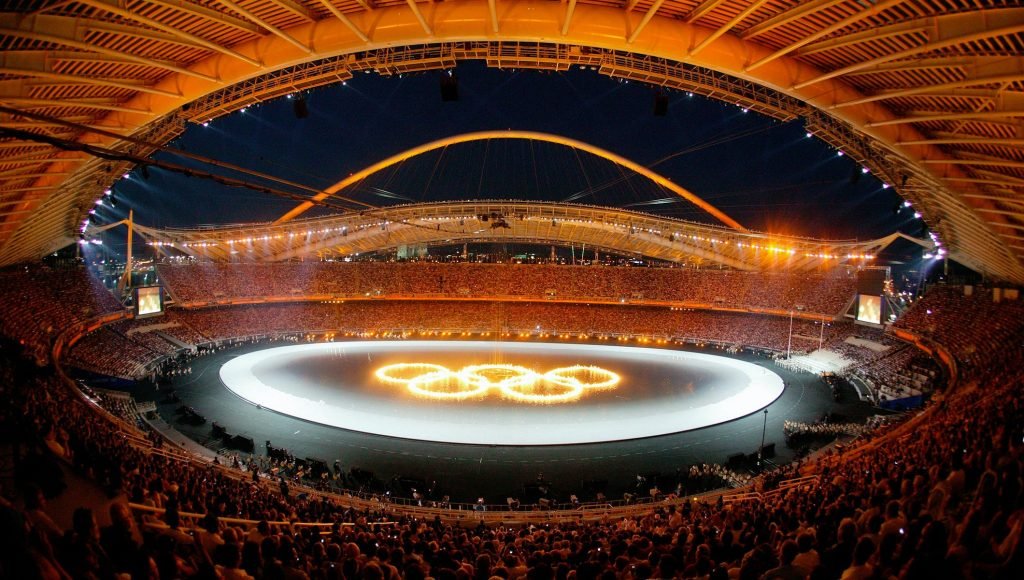
The renovated Panathenaic Stadium beautifully blends ancient Greek architectural elements with modern features, creating a harmonious tribute to Olympic history.
The Olympic Stadium in Athens, Greece, showcased a remarkable blend of history, culture, and contemporary design during the 2004 Summer Olympics. With its rich heritage and symbolic significance, this architectural masterpiece captivated the world, leaving a lasting impression on both athletes and spectators. In this article, we delve into the architectural features that made the Olympic Stadium in Athens a standout venue, celebrating its role in the revival of the Olympic Games and its enduring legacy.
1. A Historic Tribute:
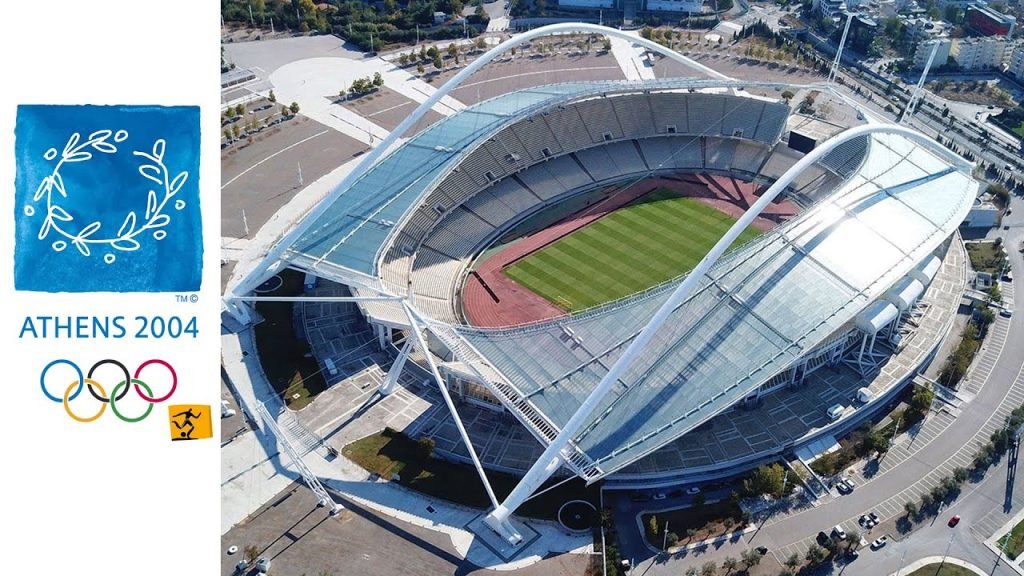
The Olympic Stadium, also known as the Panathenaic Stadium, stands as a testament to ancient Greek architecture. Originally constructed in the 4th century BC, it underwent meticulous restoration for the 2004 Games. The architects ensured the preservation of its horseshoe shape, retaining the authentic spirit of the original stadium, thus paying homage to the birthplace of the Olympics.
2. Iconic Marble Grandeur:
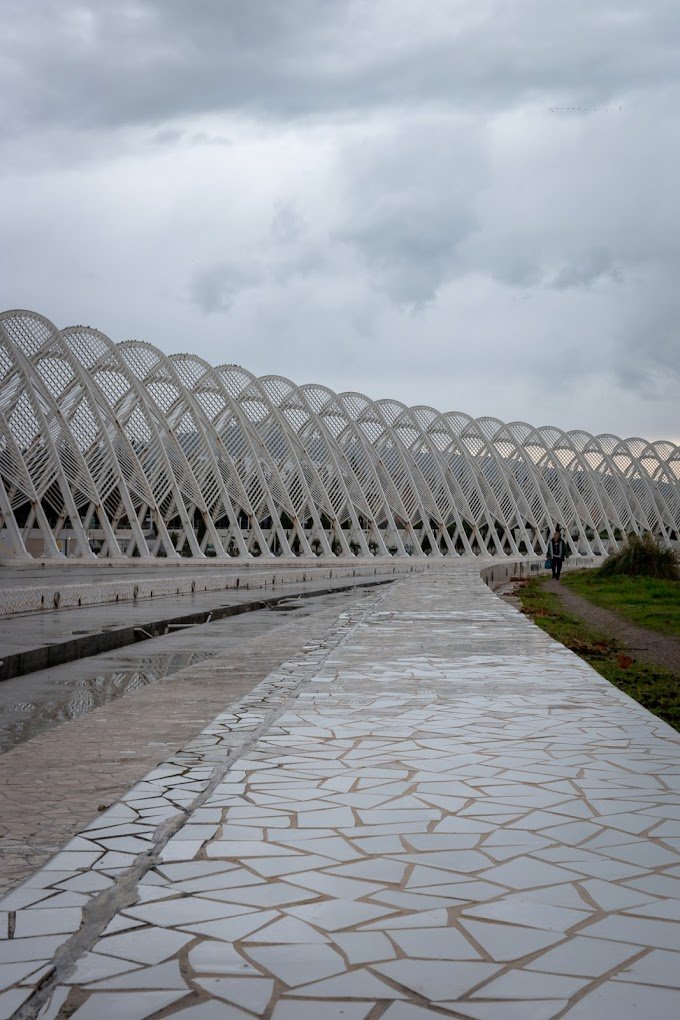
One of the most striking features of the Olympic Stadium in Athens is its construction predominantly using white marble. This choice of material not only emphasized the stadium’s historical connection but also added a touch of grandeur and elegance. The gleaming marble facade exuded a timeless beauty, providing a visually stunning backdrop for the athletes’ performances.
3. Aesthetic Symmetry:
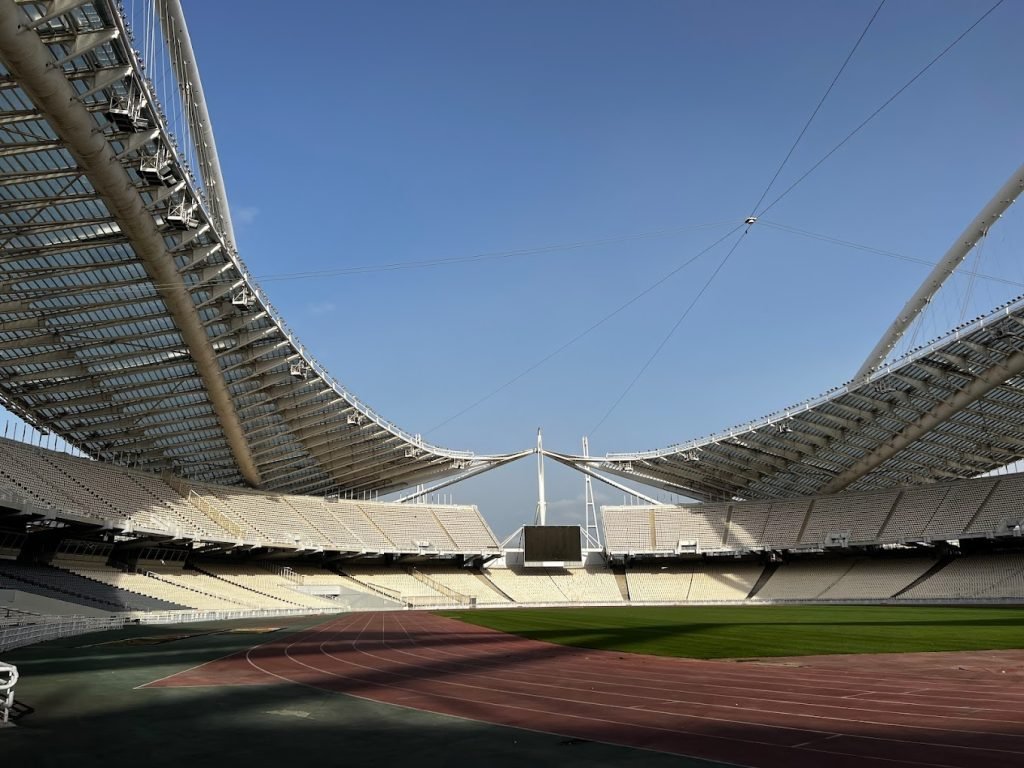
The architectural design of the Olympic Stadium reflects a meticulous sense of balance and symmetry. With a seating capacity of approximately 70,000 spectators, the stadium’s horseshoe shape ensures that no seat is too far from the action, allowing for an immersive and engaging experience for the audience. The symmetry of the seating tiers, walkways, and entrances creates a harmonious flow throughout the stadium.
4. The Arch of Triumph:
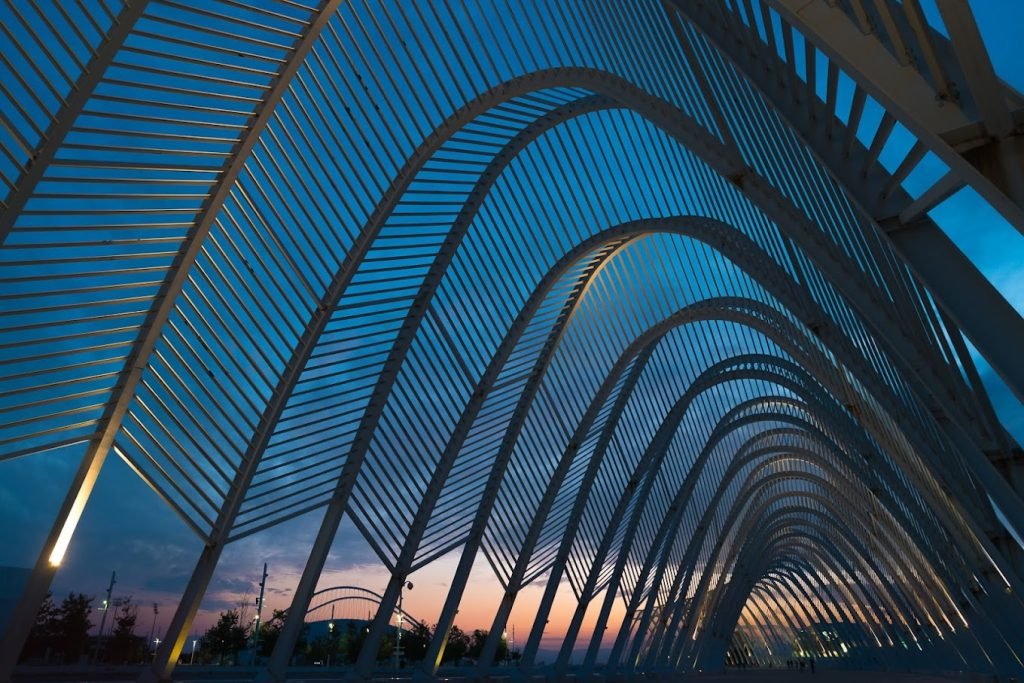
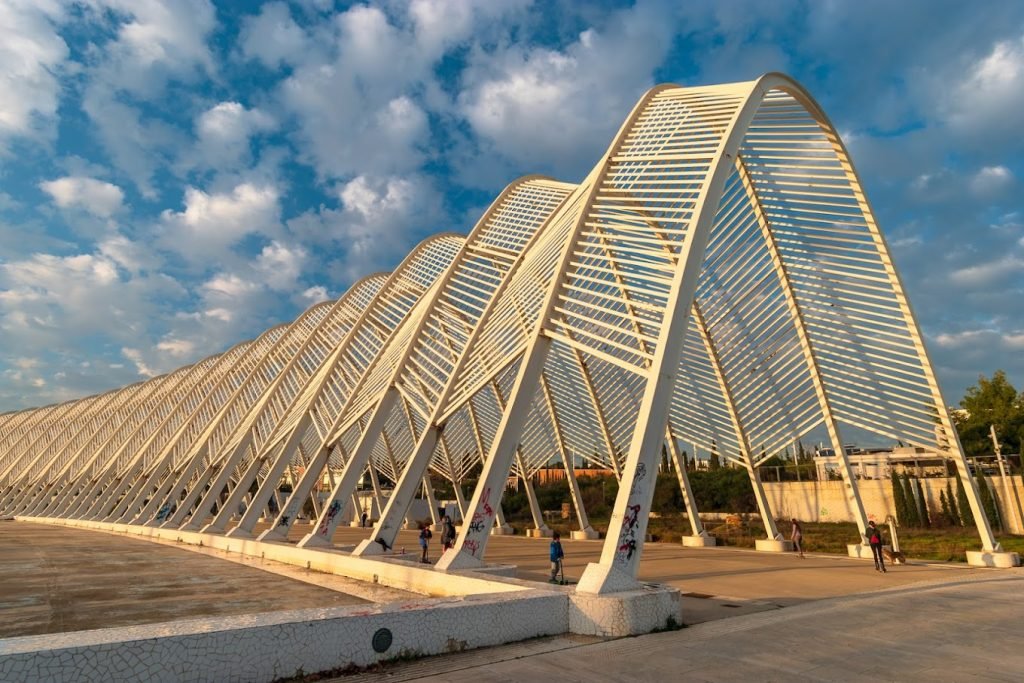
The main entrance of the Olympic Stadium features a monumental arch known as the Arch of Triumph. This impressive structure, adorned with decorative reliefs, serves as a symbolic gateway, welcoming athletes and spectators into the arena. It pays homage to the tradition of triumphal arches in ancient Greek and Roman architecture, signifying the importance and significance of the Olympic Games.
5. Modern Facilities:
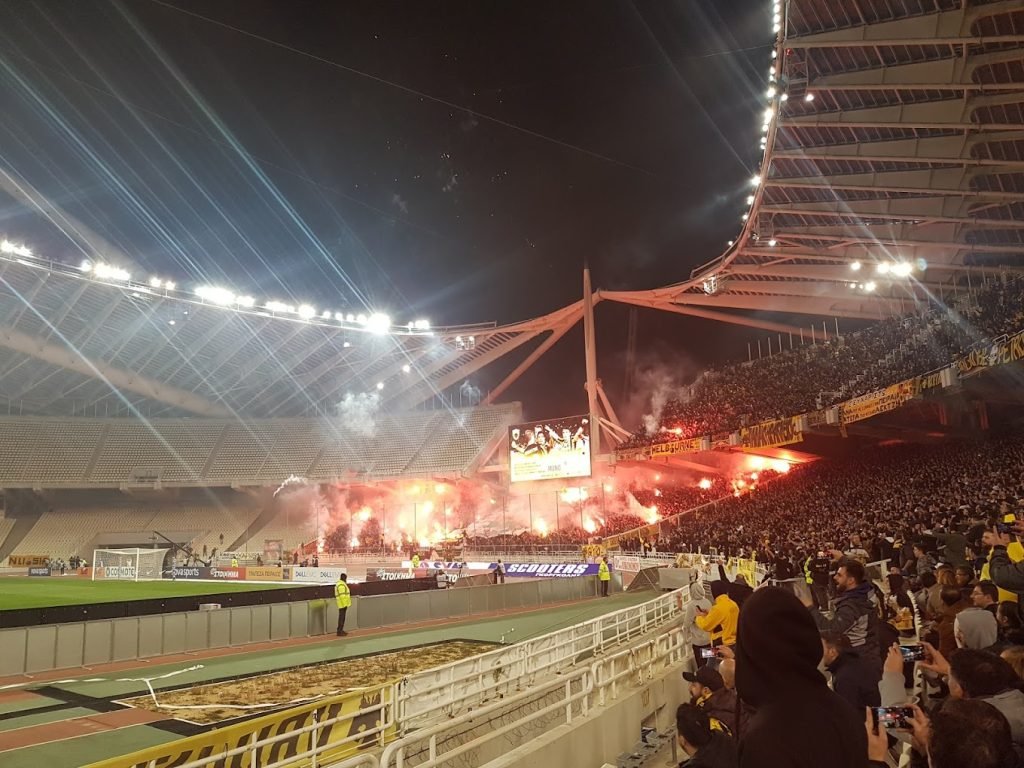
While honoring its historical roots, the Olympic Stadium also seamlessly integrates modern amenities and facilities. Renovations for the 2004 Olympics incorporated state-of-the-art technology, including advanced lighting and audio systems, to enhance the overall spectator experience. The stadium’s modern infrastructure met the highest international standards, ensuring optimal functionality and comfort for athletes and visitors alike.
6. Iconic Torch Lighting:
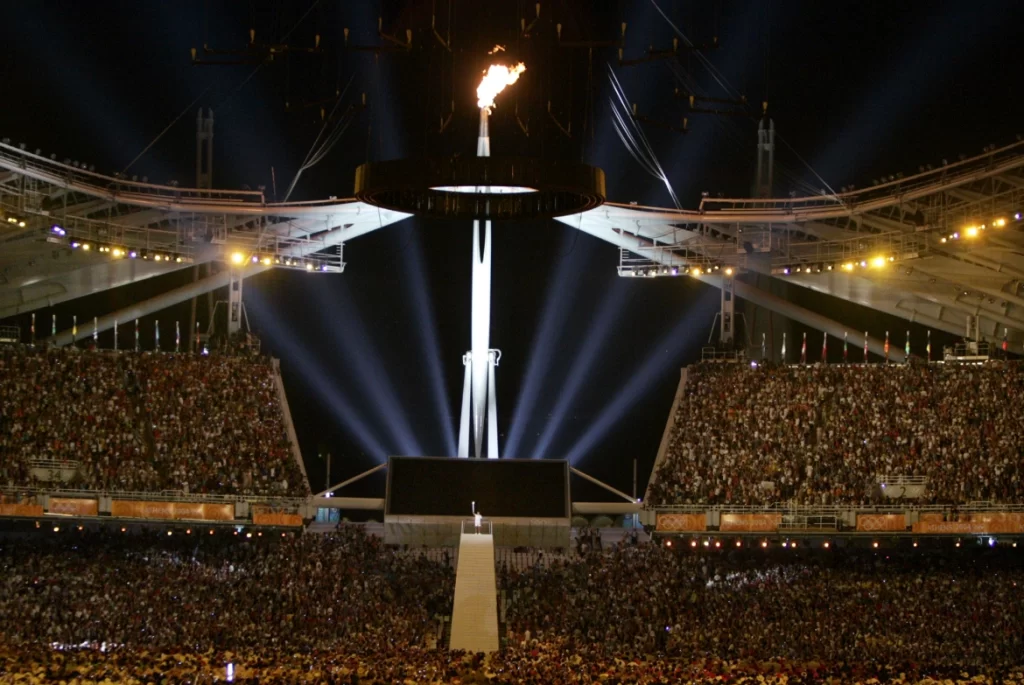
The Olympic Stadium in Athens holds a special place in the Olympic tradition as the site of the torch lighting ceremony. The stadium’s design ingeniously incorporates the Torch Tower, a structure positioned at the opposite end of the arch. This arrangement creates a visual connection, highlighting the sacred ritual and symbolizing the passing of the Olympic flame from ancient times to the present.
7. Legacy of Inspiration:
Beyond its role during the 2004 Olympics, the architectural splendor of the Olympic Stadium in Athens continues to inspire and leave a lasting legacy. The stadium now serves as a venue for cultural events, athletic competitions, and a popular tourist destination. Its significance goes beyond mere sporting achievements, becoming a powerful symbol of national pride, cultural heritage, and the enduring spirit of the Olympic Games.
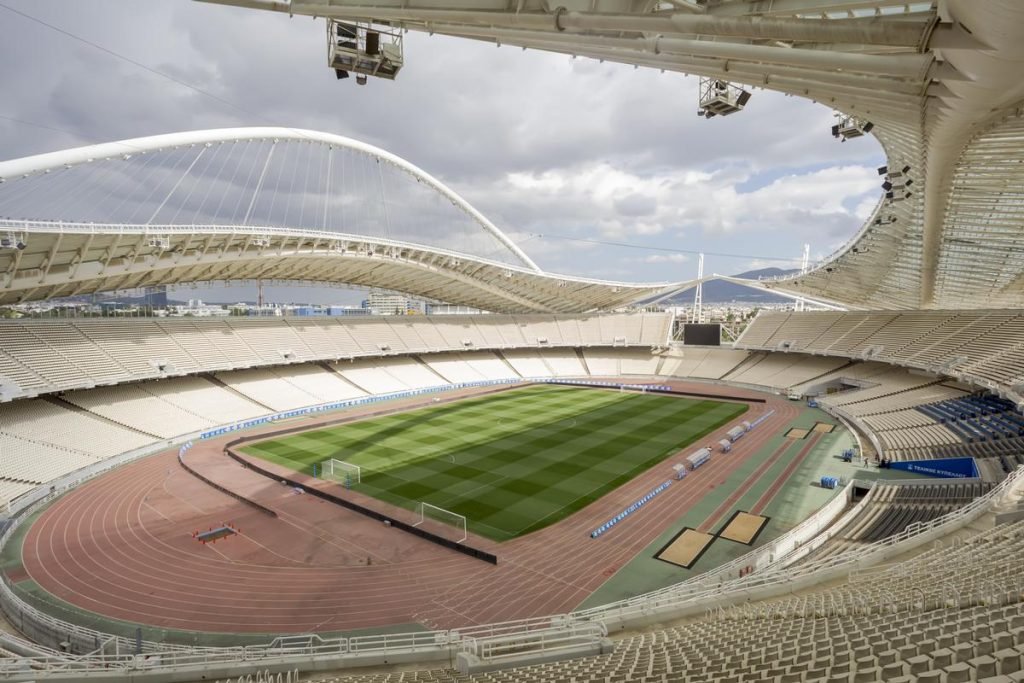
The Olympic Stadium in Athens, with its awe-inspiring architecture, seamlessly weaves together the threads of history, culture, and contemporary design. Its restoration for the 2004 Games paid homage to ancient Greek traditions while embracing the needs of the modern Olympic movement. This architectural gem stands as a testament to the enduring legacy of the Olympics, reminding us of the timeless connection between athletic excellence and architectural brilliance.
Bird’s Nest, Beijing (China, 2008):
The Bird’s Nest, the iconic National Stadium of Beijing, China, emerged as a symbol of architectural ingenuity during the 2008 Summer Olympics. Designed by renowned architects Herzog & de Meuron in collaboration with artist Ai Weiwei, this extraordinary structure left an indelible mark on the world’s architectural landscape. In this article, we explore the captivating architectural features of the Bird’s Nest, celebrating its innovative design, cultural significance, and enduring legacy.
1. The Lattice-Like Steel Structure:
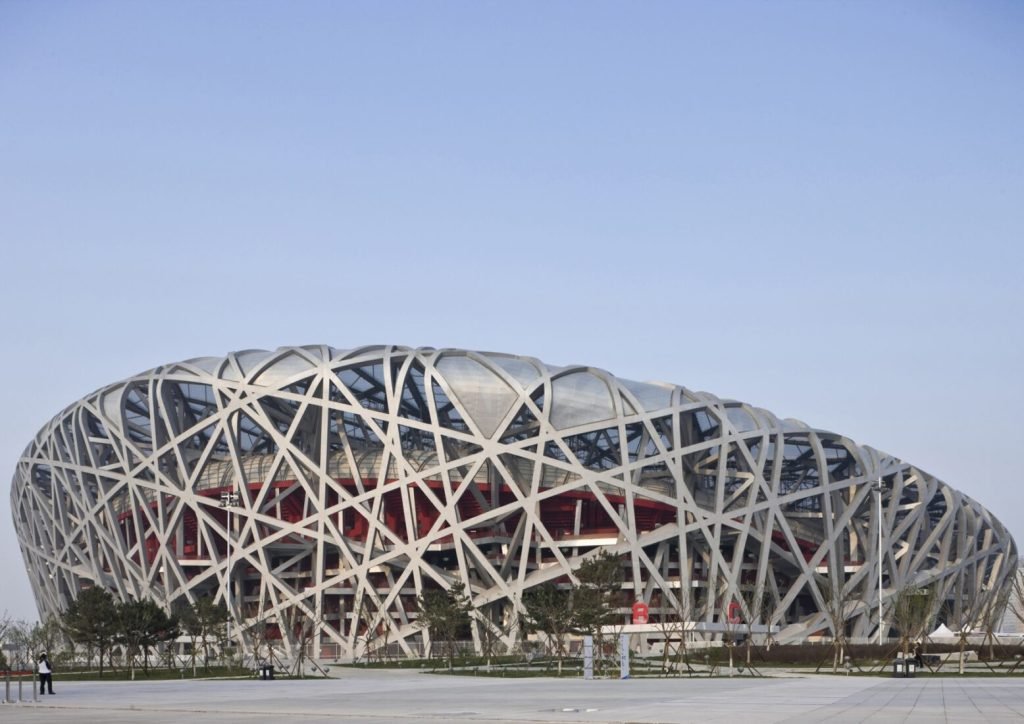
The most distinctive feature of the Bird’s Nest is its intricate lattice-like steel structure. This web-like pattern, inspired by Chinese ceramics and traditional wooden lattice windows, creates a mesmerizing visual effect. The interlocking steel beams form a complex network, resulting in a stunning and dynamic architectural form that defies convention.
2. Symbolism and Cultural Significance:
The Bird’s Nest is not merely a stadium; it represents the fusion of modernity and Chinese cultural heritage. The lattice structure, reminiscent of a bird’s nest, pays homage to the ancient Chinese concept of harmonious living with nature. The stadium’s design embodies the balance between human creation and the natural world, reflecting China’s deep-rooted cultural values.
3. Transparency and Light:
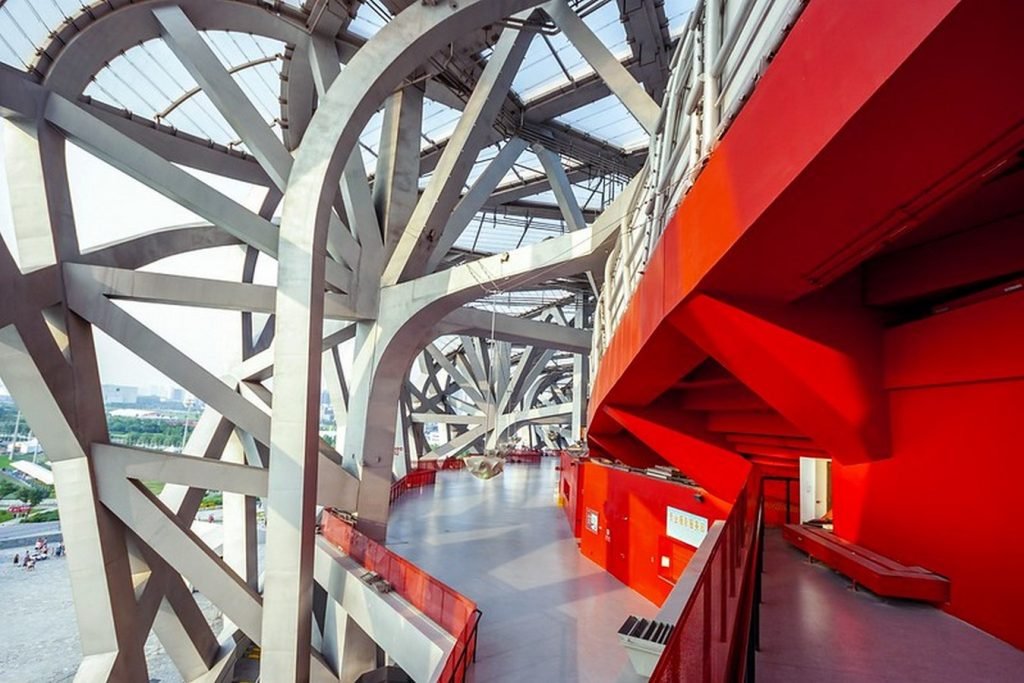
The stadium’s open design embraces transparency and allows natural light to permeate the space. The steel lattice work is not solid but rather composed of intertwining beams, enabling light to filter through, creating dynamic patterns and casting intriguing shadows. This interplay of light and shadow adds depth and texture to the stadium’s architectural experience.
4. Environmental Considerations:
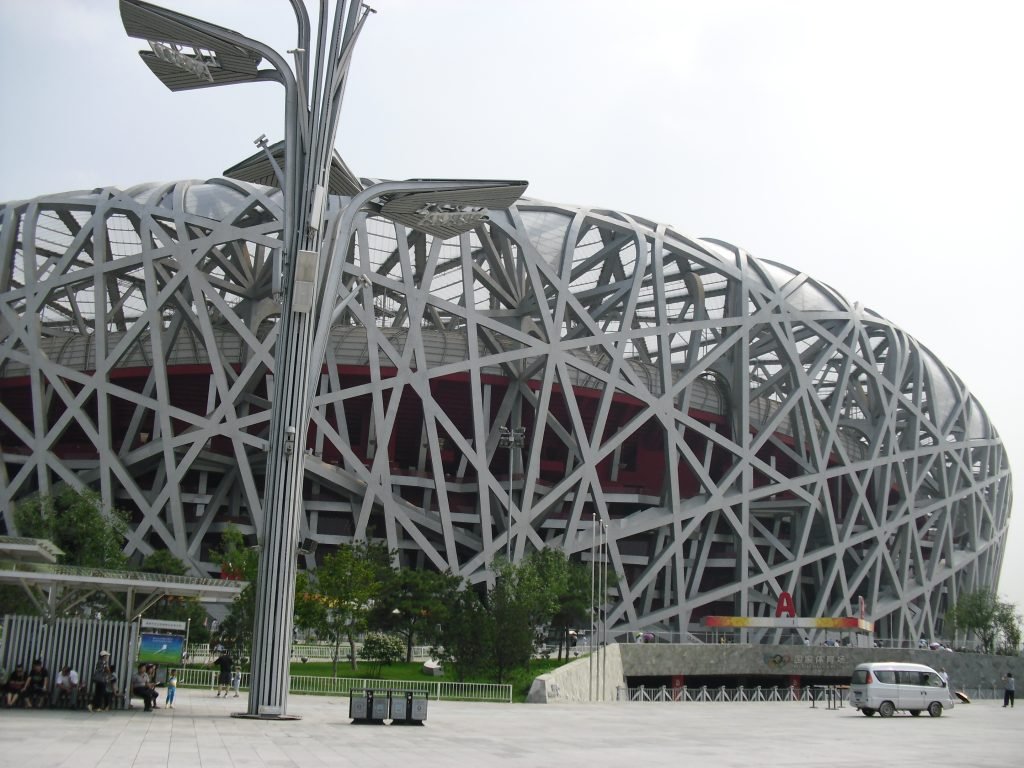
The Bird’s Nest incorporates sustainable design principles, reflecting a commitment to environmental stewardship. The lattice structure maximizes natural ventilation, reducing the need for excessive air conditioning. Additionally, rainwater collection systems and energy-efficient lighting systems contribute to the stadium’s reduced ecological footprint.
5. Flexibility and Adaptability:
The stadium’s architectural design prioritizes flexibility and adaptability. It can host a range of events beyond the Olympics, including concerts, exhibitions, and cultural performances. The interior space can be reconfigured to accommodate different seating arrangements, ensuring the stadium’s relevance and functionality beyond its original purpose.
6. Emotional Connection: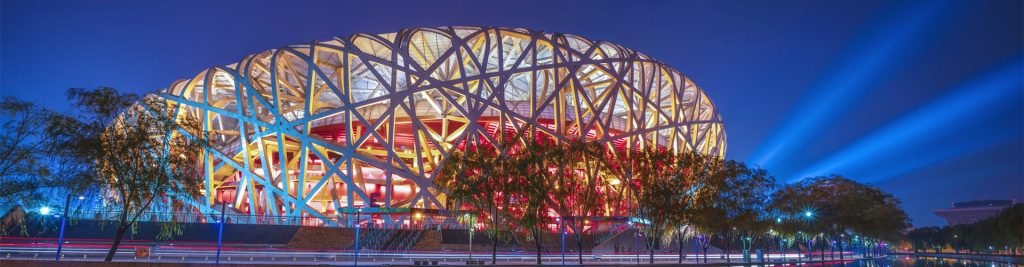
The Bird’s Nest resonates with people on an emotional level. Its unique form evokes a sense of awe and wonder, captivating both locals and visitors. The stadium’s architectural beauty and cultural symbolism create a profound connection, embodying the spirit of national pride and unity.
7. Illumination and Nighttime Spectacle:
The Bird’s Nest becomes a breathtaking spectacle at night when it is illuminated with a dynamic lighting system. The vibrant LED lights embedded within the lattice structure bring the stadium to life, transforming it into a mesmerizing visual display. This illuminative effect accentuates the stadium’s architectural brilliance and makes it a vibrant landmark on Beijing’s skyline.
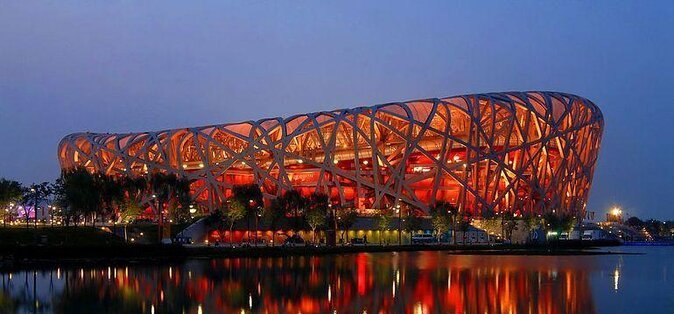
The Bird’s Nest, with its intricate lattice-like steel structure and profound cultural symbolism, stands as a testament to the marriage of architecture and artistic expression. Its innovative design, sustainability features, and adaptability have set new standards for stadium architecture. Beyond its role as a venue for the 2008 Olympics, the Bird’s Nest has become an enduring symbol of China’s architectural prowess, cultural heritage, and the power of design to inspire and captivate the world.
Estadio Olímpico Universitario, Mexico City (Mexico, 1968):
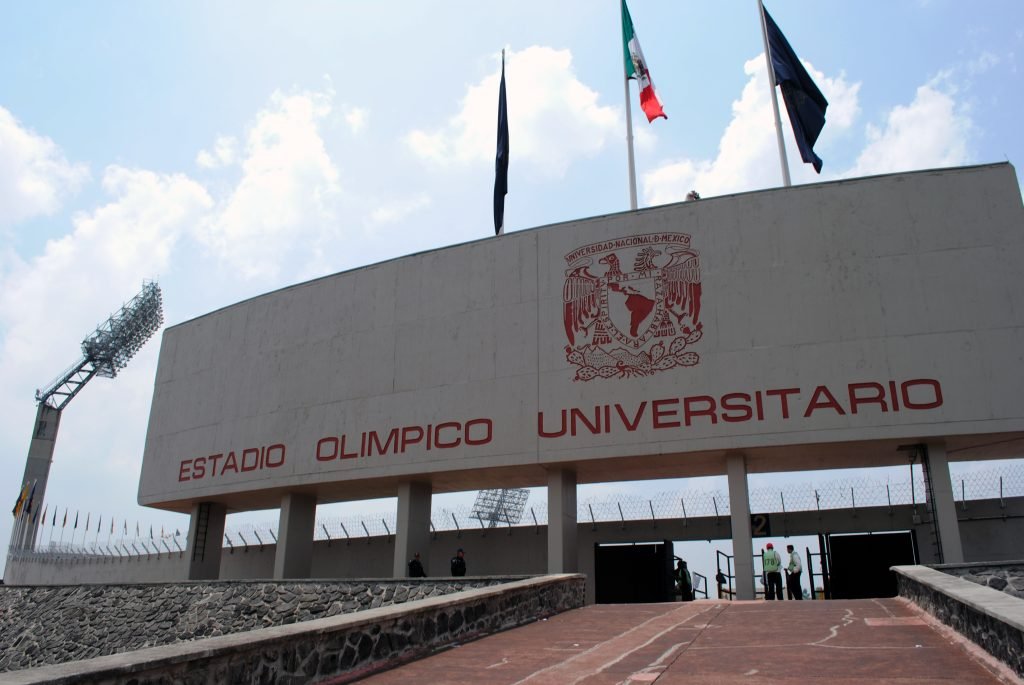
The Estadio Olímpico Universitario in Mexico City stands as a testament to architectural brilliance, blending modernist design principles with elements inspired by pre-Columbian culture. Built for the 1968 Summer Olympics, this stadium showcases a unique and harmonious synthesis of contemporary aesthetics and historical significance. In this article, we explore the architectural features that make the Estadio Olímpico Universitario an extraordinary cultural and sporting landmark.
1. Pre-Columbian Influence:
The architectural design of the Estadio Olímpico Universitario draws inspiration from pre-Columbian Mesoamerican cultures, specifically the Mayan civilization. The stadium’s striking concrete shell roof, with its undulating form, resembles the stepped pyramids found in ancient Mayan architecture. This incorporation of pre-Columbian motifs pays homage to Mexico’s rich cultural heritage and creates a distinct identity for the stadium.
2. Concrete Shell Roof:
The stadium’s most prominent feature is its remarkable concrete shell roof, which extends over the seating area without the need for additional columns or supports. Designed by architect Pedro Ramírez Vázquez, the roof’s curvilinear shape is a feat of engineering, creating a visually captivating and structurally innovative element. The roof’s undulating form represents the merging of modernist design with pre-Columbian architectural aesthetics.
3. Stadium Integration with Landscape:
The Estadio Olímpico Universitario is nestled within the lush surroundings of the Ciudad Universitaria campus, a UNESCO World Heritage site. The stadium’s design thoughtfully integrates with the natural landscape, utilizing the existing topography to create a harmonious relationship between the built environment and the surrounding greenery. This seamless integration enhances the stadium’s visual appeal and provides a serene setting for athletic competitions.
4. Murals and Artistic Expression:
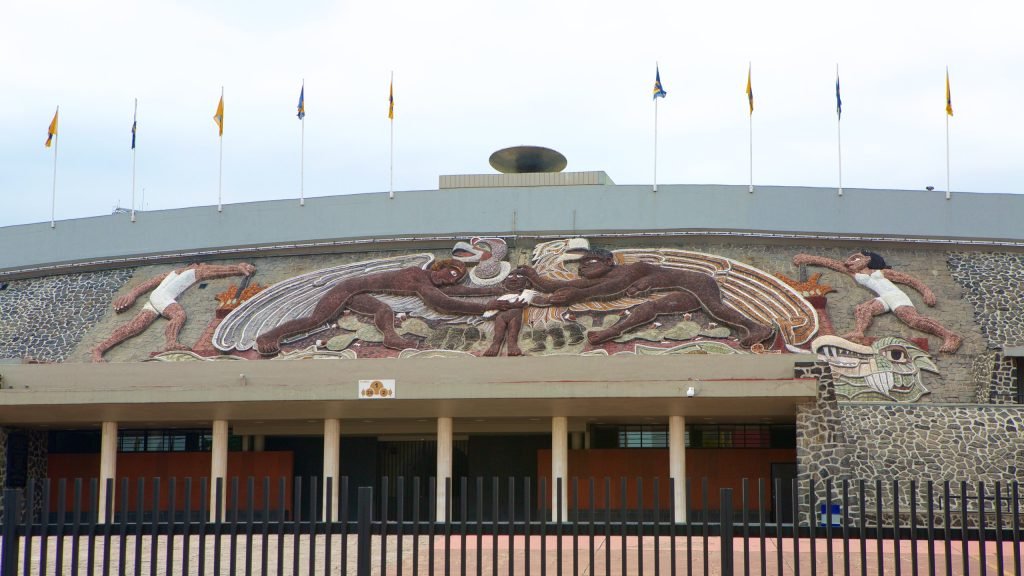
The stadium’s interior is adorned with vibrant murals by renowned Mexican artists, including Diego Rivera and David Alfaro Siqueiros. These murals celebrate Mexican history, culture, and the struggle for social justice, adding a powerful artistic dimension to the architectural space. The integration of art within the stadium creates a unique and immersive experience for visitors.
5. Unobstructed Sightlines:
The Estadio Olímpico Universitario offers excellent sightlines from every seat, ensuring an optimal viewing experience for spectators. The stadium’s bowl-shaped design, combined with its tiered seating arrangement, provides unobstructed views of the playing field from all angles. This attention to sightlines enhances the overall atmosphere and enjoyment of sporting events held within the stadium.
6. Functional Spaces:
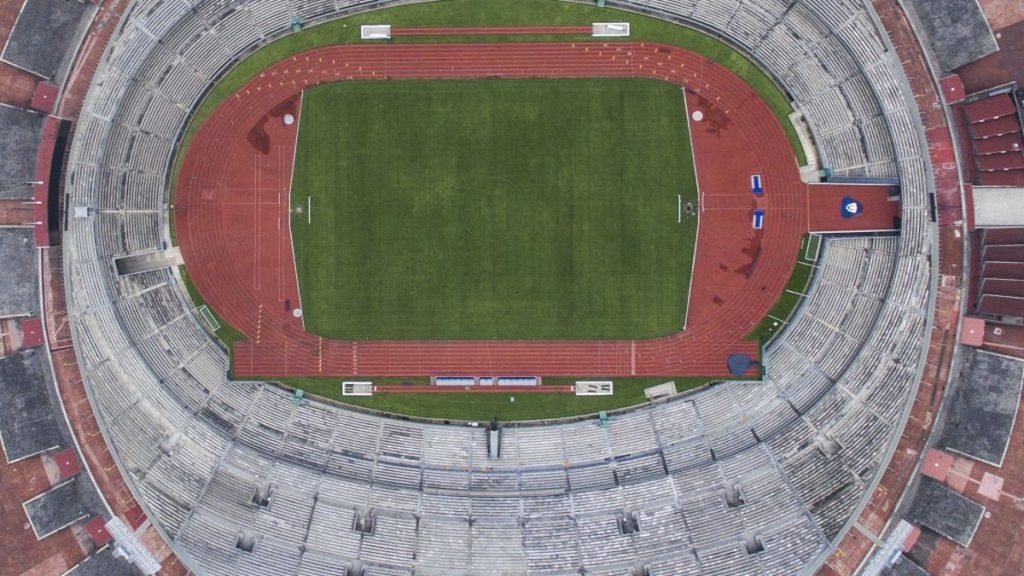
The stadium incorporates various functional spaces to support athletes and spectators. It includes state-of-the-art locker rooms, training facilities, medical rooms, and press areas. These spaces are designed to meet international standards and provide optimal conditions for athletes to perform at their best during competitions.
7. Legacy and Community Impact:
Beyond its role as an Olympic venue, the Estadio Olímpico Universitario continues to serve as a hub for sports, cultural events, and recreational activities. It has become an integral part of the local community, fostering a sense of pride and unity among the people of Mexico City. The stadium’s enduring legacy is a testament to its architectural significance and the enduring spirit of the 1968 Olympics.
The Estadio Olímpico Universitario stands as an architectural masterpiece that seamlessly integrates modernist design principles with pre-Columbian influences. Its concrete shell roof, inspired by ancient Mayan pyramids, symbolizes Mexico’s rich cultural heritage while showcasing innovation and engineering prowess. The stadium’s aesthetic beauty, unobstructed sightlines, and integration with the surrounding landscape
Olympiastadion, Munich (Germany, 1972):
Created by Frei Otto and Günter Behnisch, this stadium features a groundbreaking tensile roof structure known as the “Olympic Tent.” Its sweeping curves and organic design departed from traditional stadium architecture, exemplifying innovation and forward-thinking design.
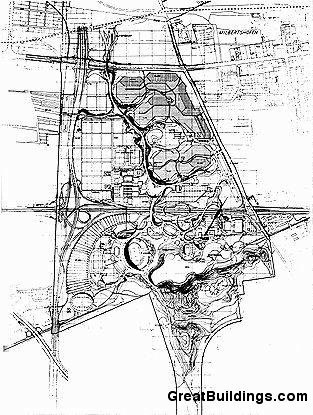
The Olympiastadion in Munich, Germany, stands as a remarkable testament to architectural innovation and forward-thinking design. Built for the 1972 Summer Olympics, this iconic stadium has become an enduring symbol of German engineering excellence. In this article, we delve into the architectural features that make the Olympiastadion a visionary masterpiece, highlighting its groundbreaking design and enduring legacy.
Tensile Roof Structure:
One of the most distinctive features of the Olympiastadion is its groundbreaking tensile roof structure, known as the “Olympic Tent.” Designed by architects Frei Otto and Günter Behnisch, this innovative roof design challenged traditional notions of stadium architecture. The sweeping curves and organic form of the roof, supported by a minimal number of columns, created a visually striking and structurally efficient element.

Transparency and Lightness:
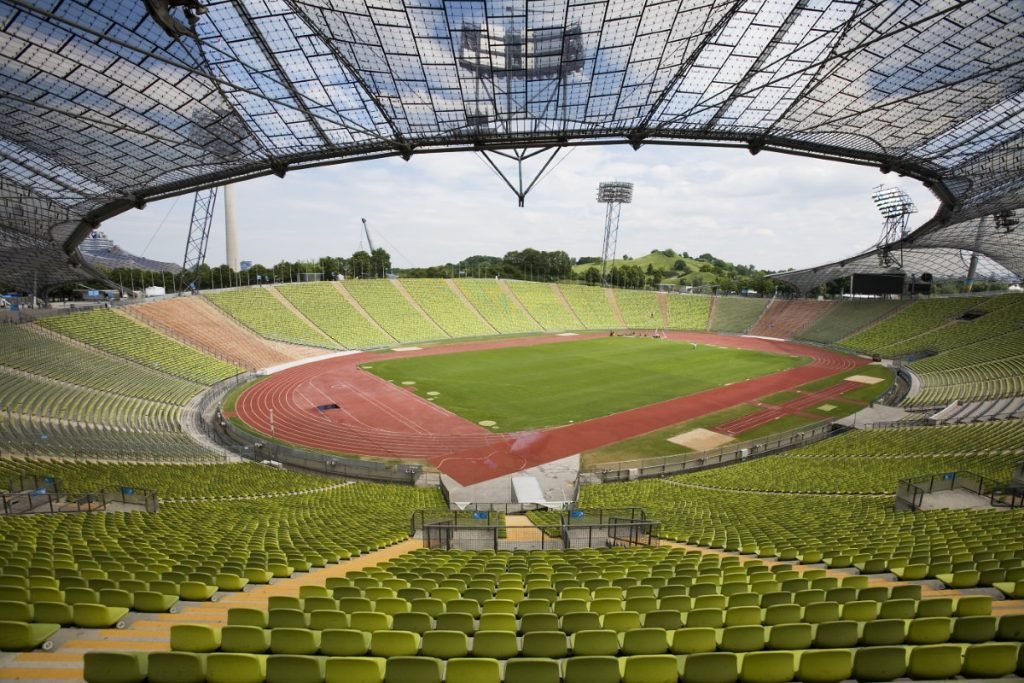
The stadium’s architectural design prioritizes transparency and lightness, fostering a connection between the interior and the surrounding landscape. The use of lightweight materials, such as steel and acrylic glass, allows an abundance of natural light to permeate the stadium. This flood of daylight enhances the overall ambiance, providing a sense of openness and inviting a closer interaction between spectators and the events taking place.
Integration with Nature:
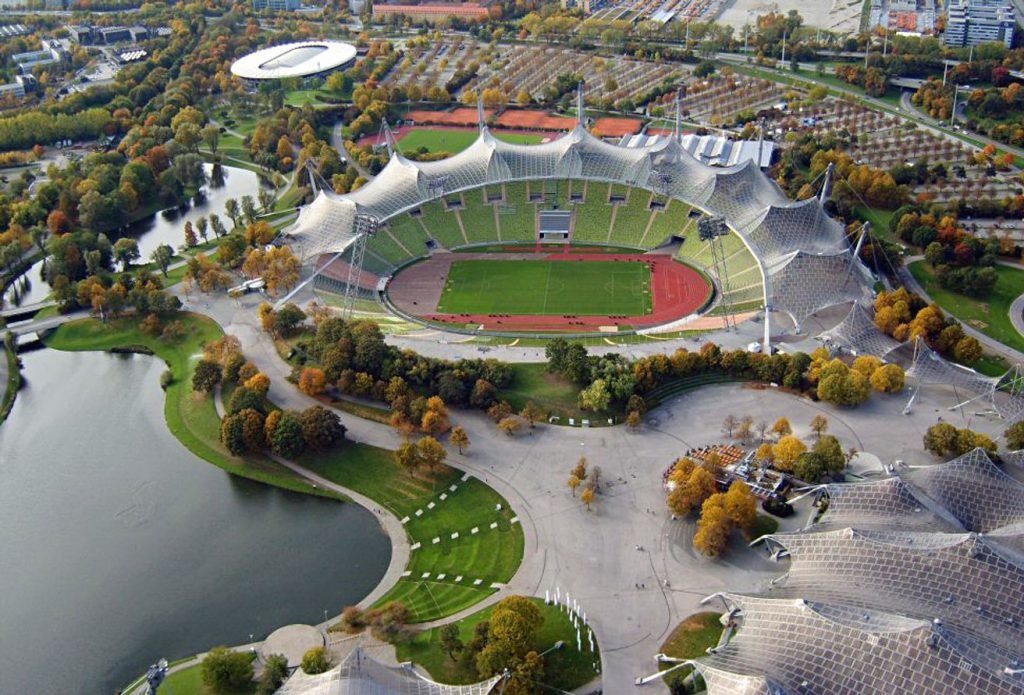
The Olympiastadion seamlessly integrates with its natural surroundings, merging the built environment with the adjacent Olympic Park. The stadium’s expansive green spaces, landscaped areas, and water features create a serene and harmonious atmosphere. The careful integration with nature reflects a holistic approach to design, allowing visitors to enjoy the beauty of the surroundings while attending sporting events.
Sculptural Expression:
The Olympiastadion incorporates sculptural elements that enhance its architectural appeal. The stadium’s iconic tensioned membrane roof appears as a sculptural canopy suspended above the seating areas, creating a sense of drama and elegance. The sculptural qualities extend to the exterior facades, which feature textured panels and rhythmic patterns that add depth and visual interest to the stadium’s appearance.
Accessibility and Circulation:
The stadium’s design prioritizes accessibility and efficient circulation. Wide concourses and well-planned entrances ensure smooth and easy movement of spectators throughout the venue. The careful consideration of pedestrian flows allows for comfortable and convenient access to seating areas, facilities, and amenities, enhancing the overall visitor experience.
Multifunctional Use:
Beyond its role as an Olympic venue, the Olympiastadion demonstrates versatility and adaptability in hosting a wide range of events. The stadium’s design allows for easy conversion and reconfiguration, enabling it to accommodate various sports competitions, concerts, cultural events, and even religious gatherings. Its multifunctional use ensures its continued relevance and relevance to the local community.
Environmental Considerations:
The architects of the Olympiastadion incorporated sustainable design principles ahead of their time. The innovative roof structure maximizes the use of natural light, reducing the need for artificial lighting during daylight hours. The stadium’s integration with the surrounding parkland promotes biodiversity and ecological balance, aligning with the principles of sustainable development.
The Olympiastadion in Munich stands as a testament to architectural vision and ingenuity. Its pioneering tensile roof structure, seamless integration with nature, and emphasis on transparency and lightness have set new standards for stadium design. Beyond its role as an Olympic venue, the Olympiastadion remains an enduring symbol of German engineering prowess and a beloved cultural landmark. Its legacy serves as a testament to the power of innovative architecture to create iconic spaces that inspire generations to come.
Olympic Stadium, Sydney (Australia, 2000):
The Sydney Olympic Stadium, or Stadium Australia, boasts a unique and aesthetically pleasing design. Its retractable roof and fluid form symbolize the optimism of the new millennium, creating an iconic silhouette against the city’s skyline.
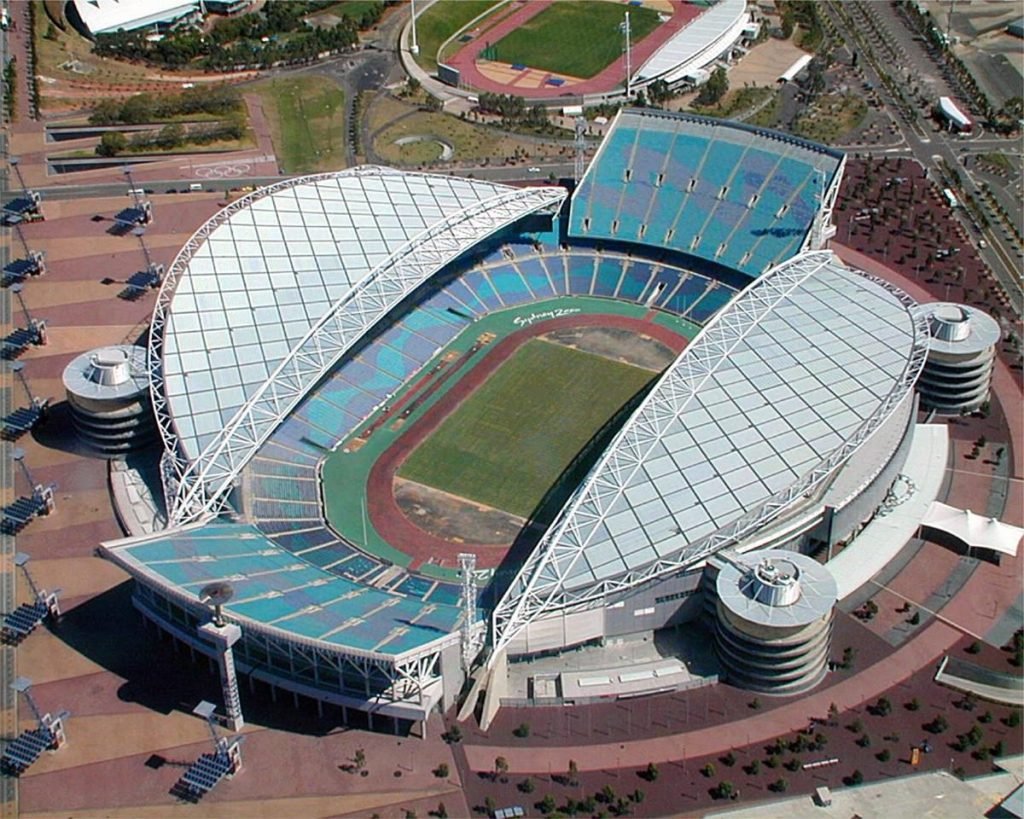
The Olympic Stadium in Sydney, Australia, which hosted the 2000 Summer Olympics, stands as an architectural masterpiece that embodies the spirit of a vibrant and progressive city. Designed by architects Bligh Lobb Sports Architecture and Populous, this iconic stadium showcases a harmonious blend of functionality, sustainability, and striking aesthetics. In this article, we explore the architectural features that make the Olympic Stadium in Sydney a symbol of modernity, innovation, and the enduring legacy of the Olympic Games.
Sleek and Organic Form:
The Olympic Stadium’s design embraces an organic and flowing form that echoes the surrounding landscape, particularly the nearby Sydney Olympic Park. The stadium’s roof, made of lightweight steel and fabric, appears to gracefully float above the seating bowl, creating an aesthetically pleasing and visually striking silhouette. The sleek and dynamic lines of the stadium’s exterior reflect the sense of movement and energy associated with sports and athleticism.
Roof Design and Retractable Feature:
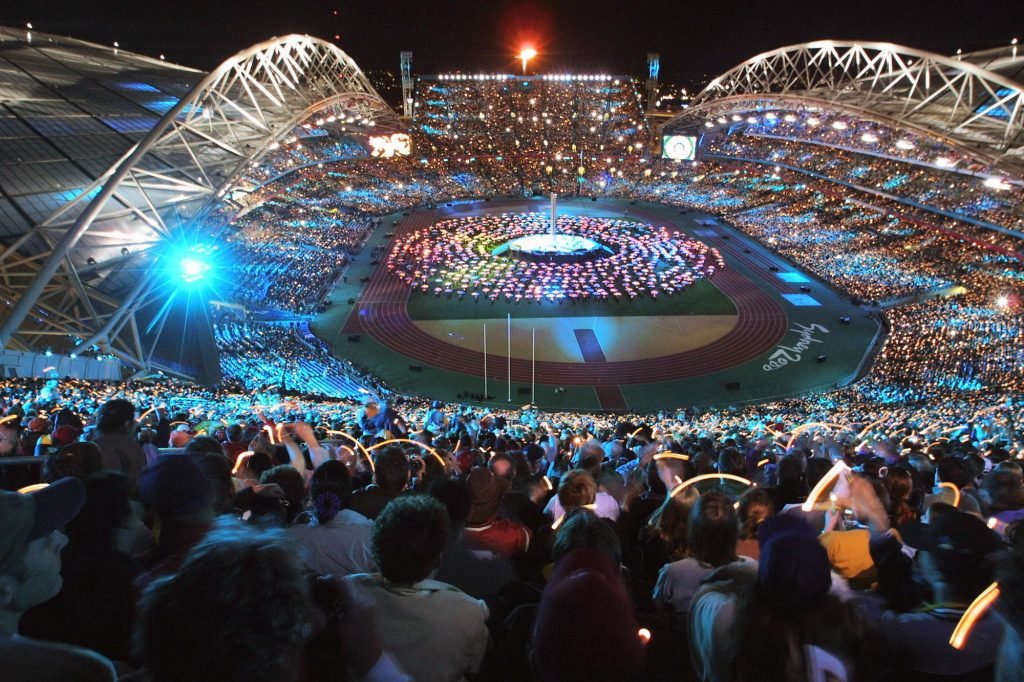
The stadium’s distinctive roof design plays a pivotal role in its architectural appeal and functionality. Composed of steel trusses and a translucent fabric membrane, the roof provides protection from the elements while allowing ample natural light to illuminate the playing field. Furthermore, the roof features a retractable section that can be opened or closed, allowing for flexibility in accommodating different weather conditions and optimizing the spectator experience.
Sustainable Design Elements:
The Olympic Stadium in Sydney was designed with sustainability in mind. The translucent fabric roof membrane allows for the diffusion of natural light, reducing the need for artificial lighting during daytime events. Additionally, rainwater harvesting systems were incorporated to collect and reuse water for irrigation purposes within the Olympic Park. These sustainable design elements highlight the stadium’s commitment to environmental responsibility.
Fluid Seating Configuration:
The seating configuration of the Olympic Stadium is designed to maximize spectator comfort and engagement. The stadium features a curved seating bowl that wraps around the playing field, ensuring excellent sightlines from every angle. This fluid arrangement enhances the sense of intimacy and connection between spectators and the events taking place, creating an immersive and memorable experience for all.
Iconic Tower and Cauldron:
A prominent feature of the Olympic Stadium is the towering steel truss arch that stands at the southern end of the venue. This arch serves as a striking visual landmark and supports the Olympic Cauldron, which holds the symbolic flame during the Games. The design of the arch and the cauldron evokes a sense of grandeur and captures the spirit of the Olympic Games’ traditions and rituals.
State-of-the-Art Facilities:
The Olympic Stadium incorporates state-of-the-art facilities to cater to the needs of athletes, officials, and spectators. These include modern locker rooms, training areas, media facilities, and amenities. The design ensures optimal functionality and comfort, reflecting a commitment to providing world-class infrastructure for sporting events of the highest caliber.
Legacy and Continued Use:
Beyond its role as an Olympic venue, the Olympic Stadium in Sydney continues to serve as a multi-purpose sporting and entertainment arena. It has hosted various national and international events, including major sporting fixtures, concerts, and cultural performances. The stadium’s adaptability and continued use highlight its lasting legacy as a beloved community asset and a symbol of Sydney’s dynamic spirit.
The Olympic Stadium in Sydney exemplifies architectural excellence, blending sleek design, sustainability, and a sense of grandeur. Its fluid form, retractable roof, and state-of-the-art facilities set new standards for stadium architecture. The stadium’s enduring legacy goes beyond its role as an Olympic venue, serving as a testament to Sydney’s commitment to innovation, sporting excellence, and the enduring spirit of the Olympic Games.
Olympiastadion, Berlin (Germany, 1936):
Designed by Werner March, this stadium showcased grandeur and power during the era of the Third Reich. Its monumental colonnade, imposing tower, and symmetrical design embodied the architectural aspirations of Nazi Germany.
The Olympiastadion in Berlin, Germany, holds a unique place in history as the venue for the 1936 Summer Olympics. Designed by architects Werner March and Albert Speer, this iconic stadium showcases a harmonious blend of neoclassical and modernist architectural elements. In this article, we explore the architectural features that make the Olympiastadion a landmark of historical significance and architectural splendor, reflecting the political and cultural context of its time.
Neoclassical Influence:
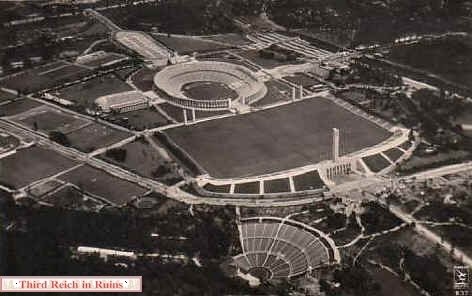
The design of the Olympiastadion draws inspiration from neoclassical architecture, reflecting the ideals of the Nazi regime during that period. The stadium’s façade features grand colonnades, symmetrical proportions, and imposing stone reliefs, evoking a sense of power and grandeur. The neoclassical elements contribute to the stadium’s overall aesthetic appeal and create a lasting impression on visitors.
The Maifeld:
Adjacent to the Olympiastadion lies the expansive Maifeld, a vast open space intended for mass rallies and ceremonies. The Maifeld features perfectly manicured lawns, reflecting the ideals of order and discipline. The stadium’s architecture seamlessly integrates with the Maifeld, creating a visually striking ensemble that highlights the scale and magnitude of the Olympic Games.
The Marathon Gate:
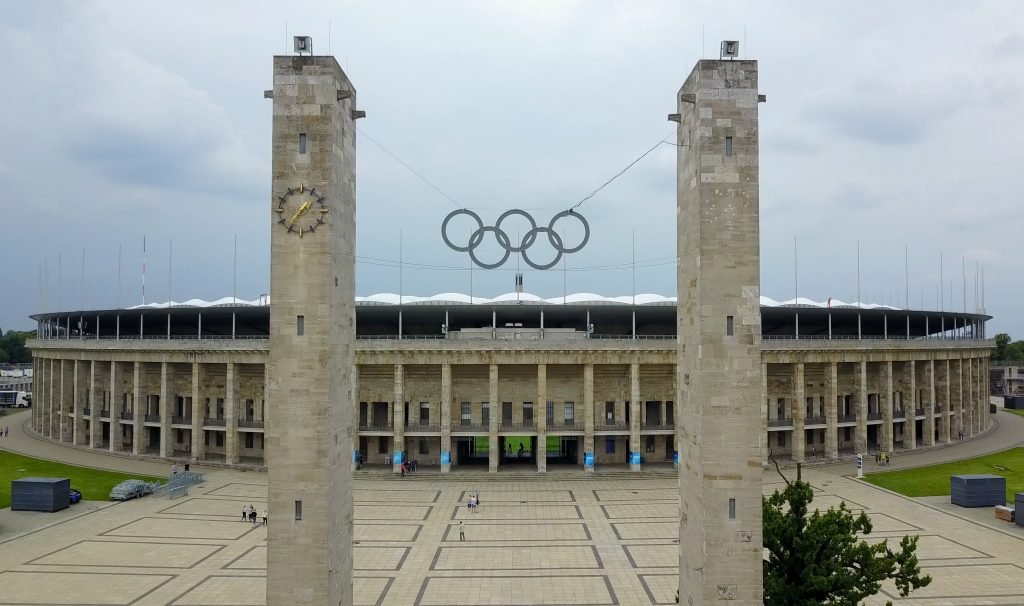
The Marathon Gate serves as the main entrance to the Olympiastadion and is an architectural centerpiece. This monumental structure features towering Doric columns and intricate reliefs depicting athletic figures. The Marathon Gate serves as a symbolic threshold, welcoming athletes and spectators into the grandeur of the stadium and setting the stage for the Olympic experience.
The Bell Tower:
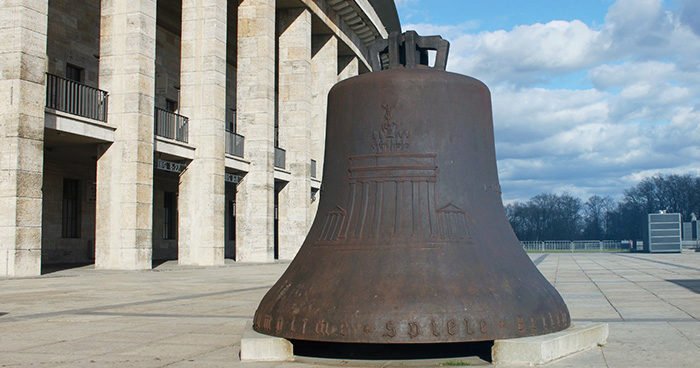
The Bell Tower, located at the heart of the Olympiastadion, stands as a prominent architectural feature. Rising 77 meters high, it provides a panoramic view of the stadium and its surroundings. The tower’s sleek design, with its vertical lines and minimalistic ornamentation, reflects the influence of modernist architecture. It offers a contrasting element to the neoclassical elements seen elsewhere in the stadium.
Amphitheater-Style Seating:
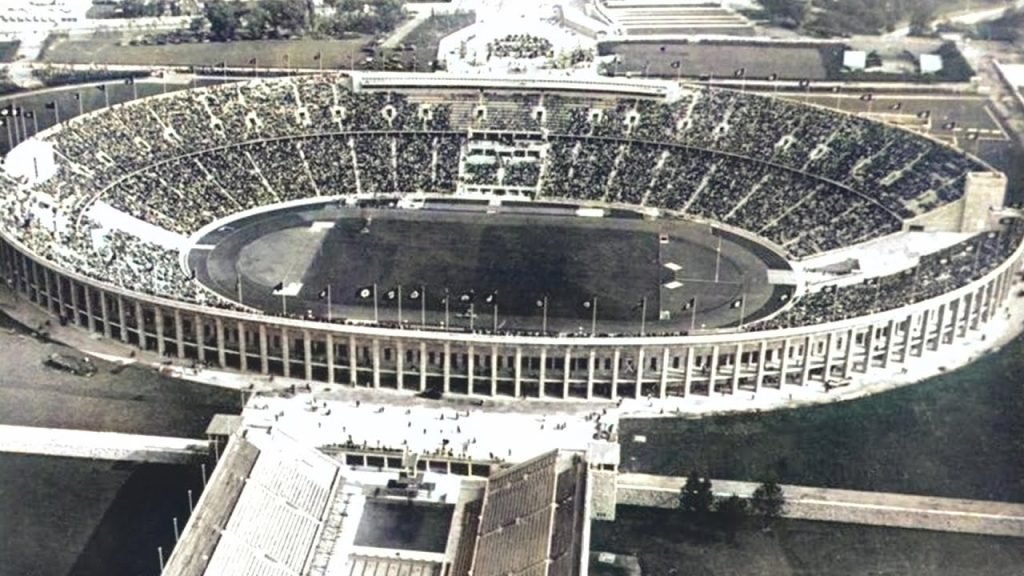
The seating arrangement within the stadium follows an amphitheater-style design, allowing for optimal visibility and acoustics. The tiers of seating rise steeply, ensuring that spectators have unobstructed views of the field. This design feature enhances the atmosphere and engagement during sporting events, creating a sense of unity and excitement among the crowd.
Olympic Cauldron:
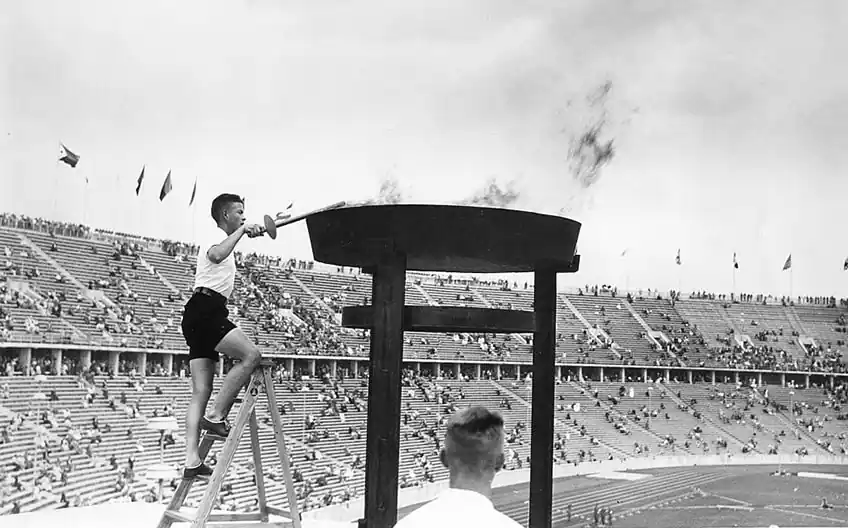
The Olympiastadion in Berlin is known for its Olympic Cauldron, a symbolic element that holds the Olympic flame during the Games. The cauldron is situated atop a tall tower and is visible from various points within the stadium. Its presence adds a touch of drama and ceremonial significance, evoking the spirit of unity and competition that characterizes the Olympic Games.
Historical Legacy:
The Olympiastadion in Berlin carries a complex historical legacy, intertwined with the political climate of the time. While it served as a grand stage for the Olympic Games, it also represented the Nazi regime’s propaganda machinery. Today, the stadium stands as a poignant reminder of the importance of separating architecture from political ideologies and serves as a site for reflection and remembrance.
The Olympiastadion in Berlin showcases a distinctive architectural style that blends neoclassical and modernist elements. It represents a significant period in history when the Olympic Games were used as a platform for political propaganda. Despite the complex historical context, the Olympiastadion’s architectural features continue to captivate visitors with their grandeur and evoke a sense of awe. It stands
Maracanã Stadium, Rio de Janeiro (Brazil, 2016):
Although not exclusively built for the Olympics, the Maracanã Stadium underwent significant renovations for the Rio Olympics. Its iconic circular form and distinctive roof structure, resembling a crown, make it one of the most recognizable and architecturally significant stadiums in the world.
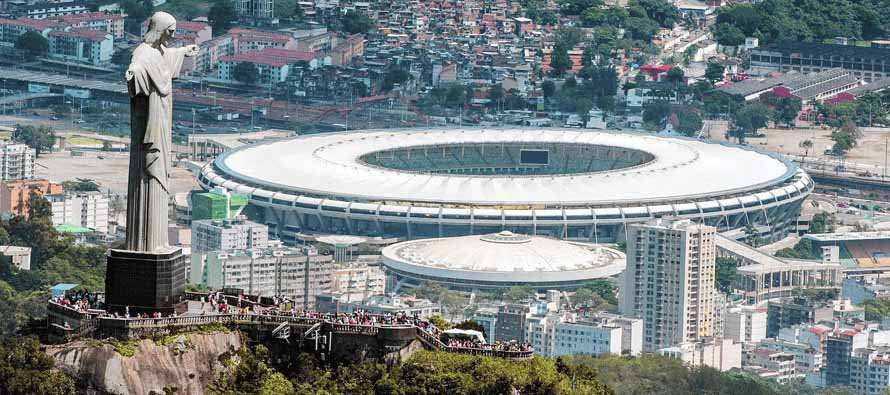
Maracanã Stadium in Rio de Janeiro, Brazil, is an iconic sporting venue that has witnessed some of the most memorable moments in football history. Renowned for its vibrant atmosphere and passionate fans, this stadium hosted the 2016 Summer Olympics and Paralympics. In this article, we explore the architectural features that make Maracanã Stadium a symbol of Brazilian culture, blending its rich history with modern design elements.
1. Stadium Design and Capacity:
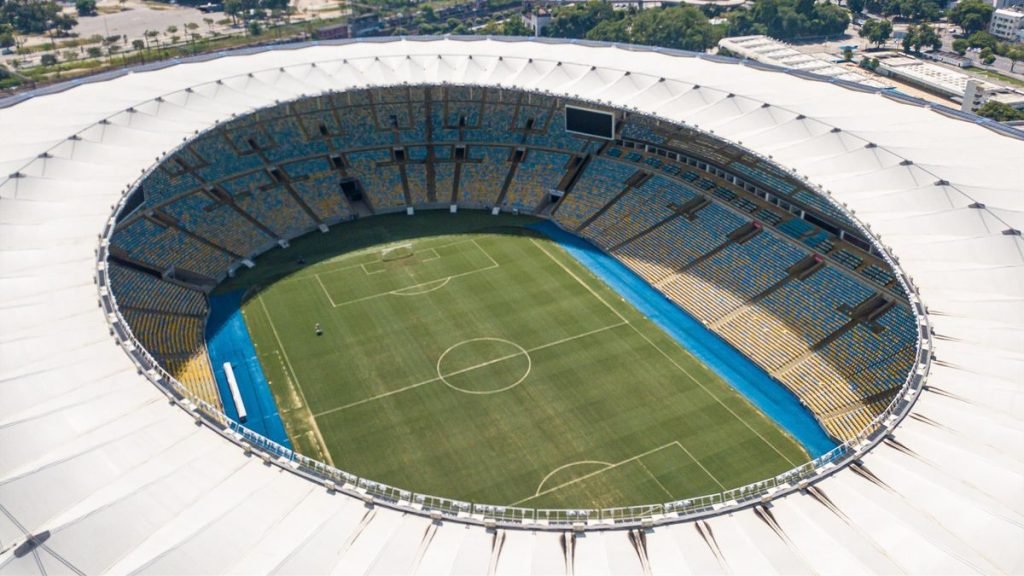
Maracanã Stadium boasts an impressive capacity, with the ability to host over 78,000 spectators. The stadium’s oval shape ensures excellent sightlines from every seat, allowing fans to immerse themselves in the electric atmosphere of sporting events. The expansive seating arrangement creates a sense of unity and excitement among supporters, making it an unparalleled venue for football matches and other major sporting events.
2. Roof Structure and Design:
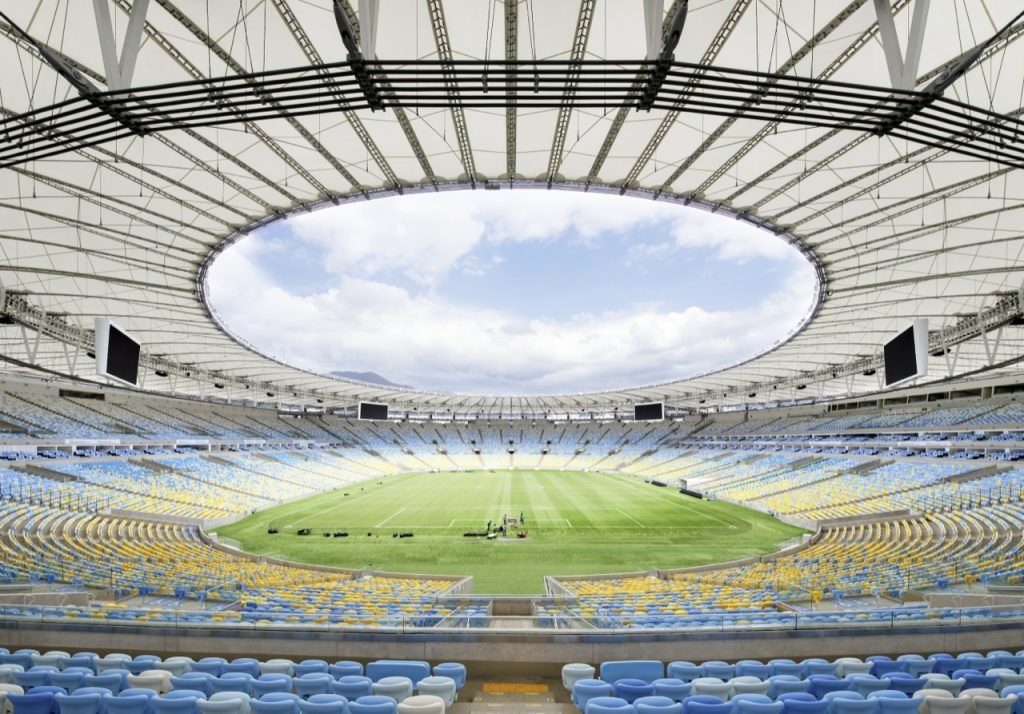
One of the standout architectural features of Maracanã Stadium is its distinctive roof structure. The roof consists of a series of undulating panels that form a unique wave-like pattern, paying homage to Brazil’s coastal landscapes. The design not only provides shelter to fans but also creates an aesthetic spectacle, with the roof appearing as if it is floating above the stadium, enhancing the overall visual appeal.
3. Iconic External Facade:
The stadium’s external facade is an architectural marvel that captures the essence of Brazilian design. It showcases a combination of modern materials, such as glass and steel, with organic elements, including the use of vegetation and natural stone. This fusion of contemporary and natural elements reflects Brazil’s diverse cultural heritage and environmental consciousness.
4. Accessibility and Sustainability:
Maracanã Stadium prioritizes accessibility and sustainability in its design. The stadium features multiple entrances and ramps to accommodate spectators of all abilities, ensuring an inclusive experience for everyone. Additionally, sustainable features, such as rainwater harvesting systems and energy-efficient lighting, have been incorporated, reducing the stadium’s environmental impact and promoting responsible resource usage.
5. Integration with the Surrounding Landscape:
Nestled amidst lush greenery and against the backdrop of Rio de Janeiro’s stunning landscapes, Maracanã Stadium seamlessly integrates with its surroundings. The stadium’s design takes advantage of the natural topography, blending harmoniously with the hills and the nearby Maracanã Park. This integration enhances the overall ambiance and creates a picturesque setting for sporting events.
6. Legacy and Cultural Significance:
Maracanã Stadium holds a special place in the hearts of Brazilians as a symbol of their deep-rooted love for football. It has witnessed historical moments, including Pelé’s 1,000th career goal and the 1950 FIFA World Cup final. The stadium’s architectural features, combined with its rich history, contribute to its cultural significance and serve as a reminder of Brazil’s passion for the beautiful game.
7. Multi-Purpose Venue:
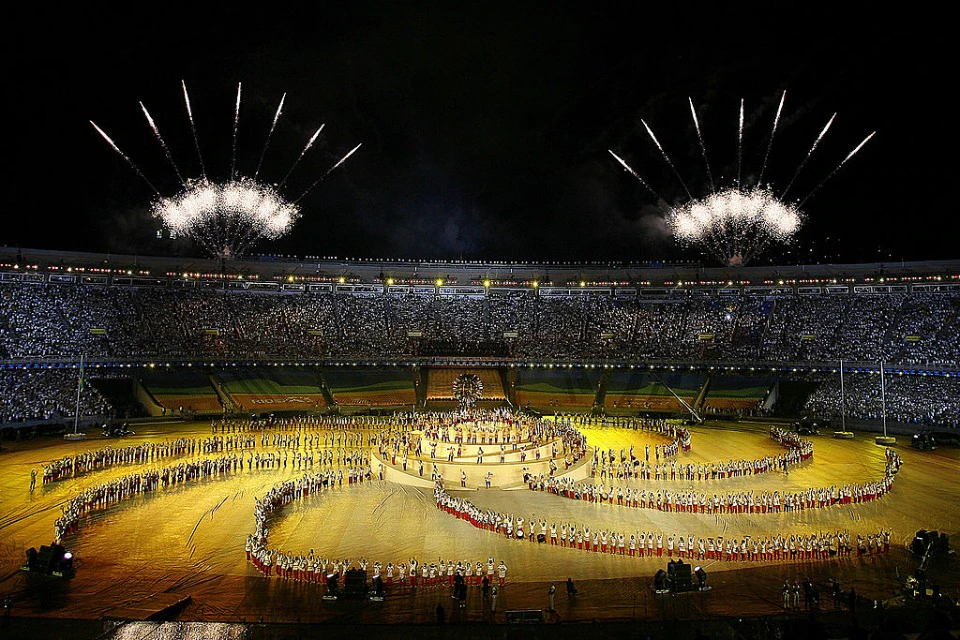
Beyond football matches, Maracanã Stadium is a versatile venue that has hosted a wide range of events, including concerts, religious gatherings, and cultural performances. The adaptable design allows for easy conversion and reconfiguration, catering to the diverse needs of the local community and ensuring the stadium remains a hub of activity and entertainment.
Maracanã Stadium stands as a vibrant symbol of Brazilian culture, showcasing a fusion of history, modernity, and architectural brilliance. Its unique design elements, including the roof structure, external facade, and integration with the surrounding landscape, create an unforgettable experience for spectators and athletes alike. With its rich legacy and ability to captivate millions, Maracanã Stadium continues to be an enduring icon of Brazilian sports and a testament to the power of architecture in shaping cultural identity.
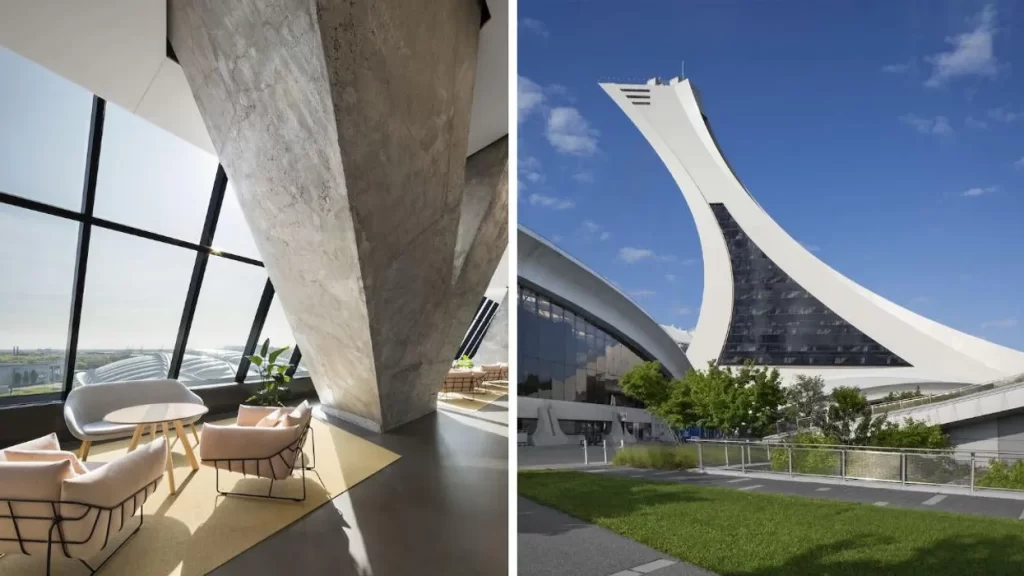
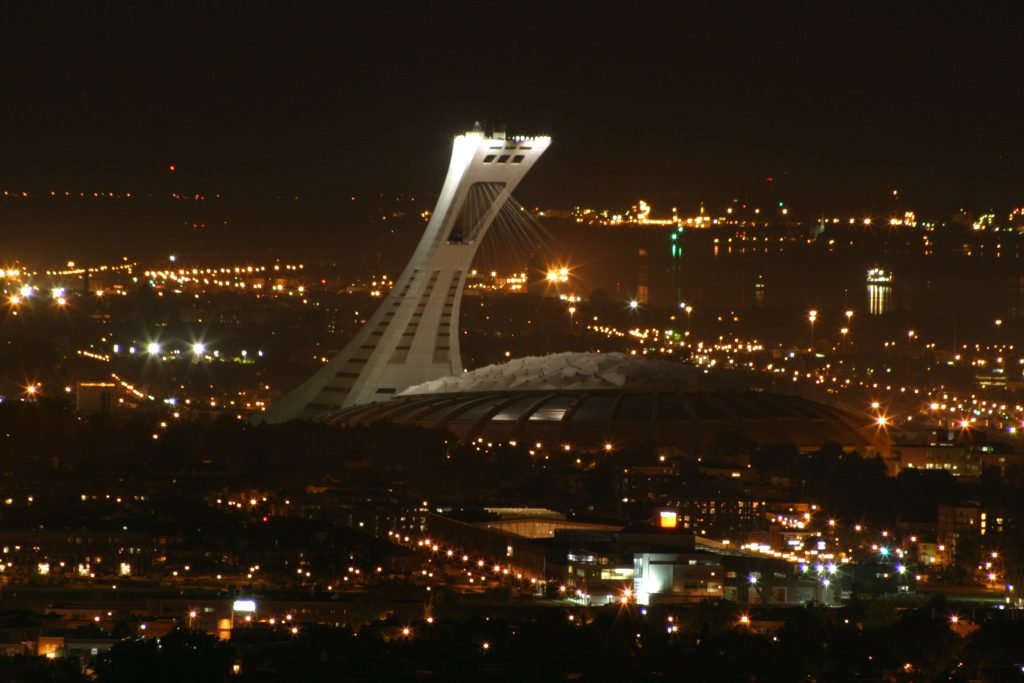
Montreal Olympic Stadium, Montreal (Canada, 1976):
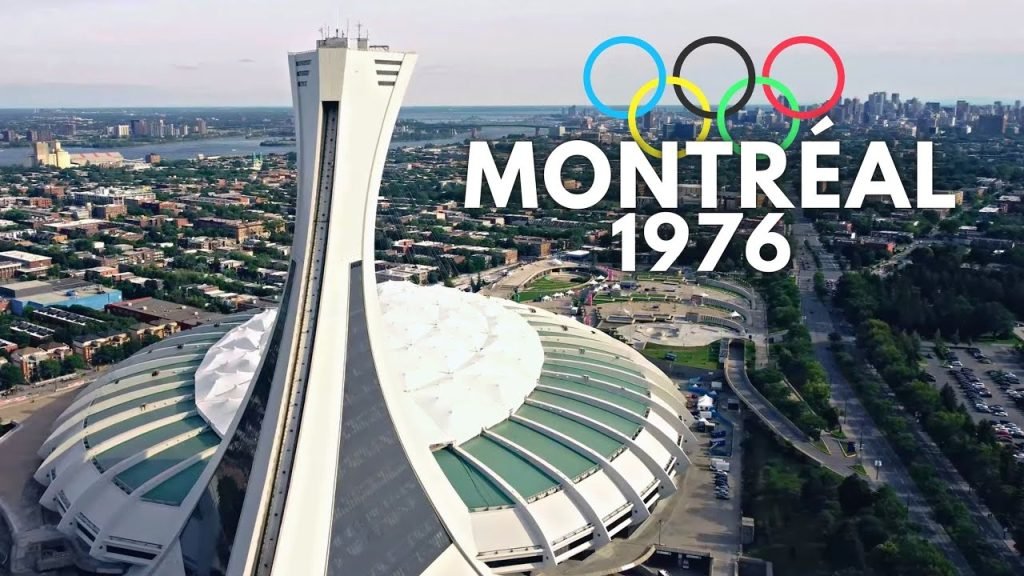
Designed by Roger Taillibert, this stadium is characterized by its unique inclined tower and retractable roof, inspired by the shape of a flower. Though the retractable roof faced challenges, the stadium remains an architectural marvel.
Maracanã Stadium in Rio de Janeiro, Brazil, is an iconic sporting venue that has witnessed some of the most memorable moments in football history. Renowned for its vibrant atmosphere and passionate fans, this stadium hosted the 2016 Summer Olympics and Paralympics. In this article, we explore the architectural features that make Maracanã Stadium a symbol of Brazilian culture, blending its rich history with modern design elements.
Stadium Design and Capacity:
Maracanã Stadium boasts an impressive capacity, with the ability to host over 78,000 spectators. The stadium’s oval shape ensures excellent sightlines from every seat, allowing fans to immerse themselves in the electric atmosphere of sporting events. The expansive seating arrangement creates a sense of unity and excitement among supporters, making it an unparalleled venue for football matches and other major sporting events.
Roof Structure and Design:
One of the standout architectural features of Maracanã Stadium is its distinctive roof structure. The roof consists of a series of undulating panels that form a unique wave-like pattern, paying homage to Brazil’s coastal landscapes. The design not only provides shelter to fans but also creates an aesthetic spectacle, with the roof appearing as if it is floating above the stadium, enhancing the overall visual appeal.
Iconic External Facade:
The stadium’s external facade is an architectural marvel that captures the essence of Brazilian design. It showcases a combination of modern materials, such as glass and steel, with organic elements, including the use of vegetation and natural stone. This fusion of contemporary and natural elements reflects Brazil’s diverse cultural heritage and environmental consciousness.
Accessibility and Sustainability:
Maracanã Stadium prioritizes accessibility and sustainability in its design. The stadium features multiple entrances and ramps to accommodate spectators of all abilities, ensuring an inclusive experience for everyone. Additionally, sustainable features, such as rainwater harvesting systems and energy-efficient lighting, have been incorporated, reducing the stadium’s environmental impact and promoting responsible resource usage.
Integration with the Surrounding Landscape:
Nestled amidst lush greenery and against the backdrop of Rio de Janeiro’s stunning landscapes, Maracanã Stadium seamlessly integrates with its surroundings. The stadium’s design takes advantage of the natural topography, blending harmoniously with the hills and the nearby Maracanã Park. This integration enhances the overall ambiance and creates a picturesque setting for sporting events.
Legacy and Cultural Significance:
Maracanã Stadium holds a special place in the hearts of Brazilians as a symbol of their deep-rooted love for football. It has witnessed historical moments, including Pelé’s 1,000th career goal and the 1950 FIFA World Cup final. The stadium’s architectural features, combined with its rich history, contribute to its cultural significance and serve as a reminder of Brazil’s passion for the beautiful game.
Multi-Purpose Venue:
Beyond football matches, Maracanã Stadium is a versatile venue that has hosted a wide range of events, including concerts, religious gatherings, and cultural performances. The adaptable design allows for easy conversion and reconfiguration, catering to the diverse needs of the local community and ensuring the stadium remains a hub of activity and entertainment.
Maracanã Stadium stands as a vibrant symbol of Brazilian culture, showcasing a fusion of history, modernity, and architectural brilliance. Its unique design elements, including the roof structure, external facade, and integration with the surrounding landscape, create an unforgettable experience for spectators and athletes alike. With its rich legacy and ability to captivate millions, Maracanã Stadium continues to be an enduring icon of Brazilian sports and a testament to the power of architecture in shaping cultural identity.
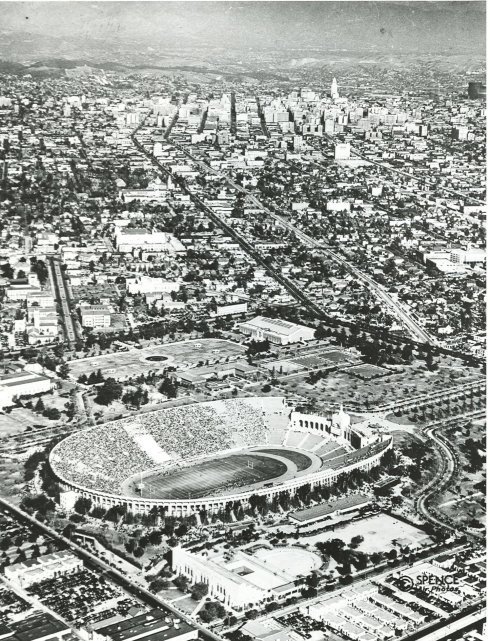
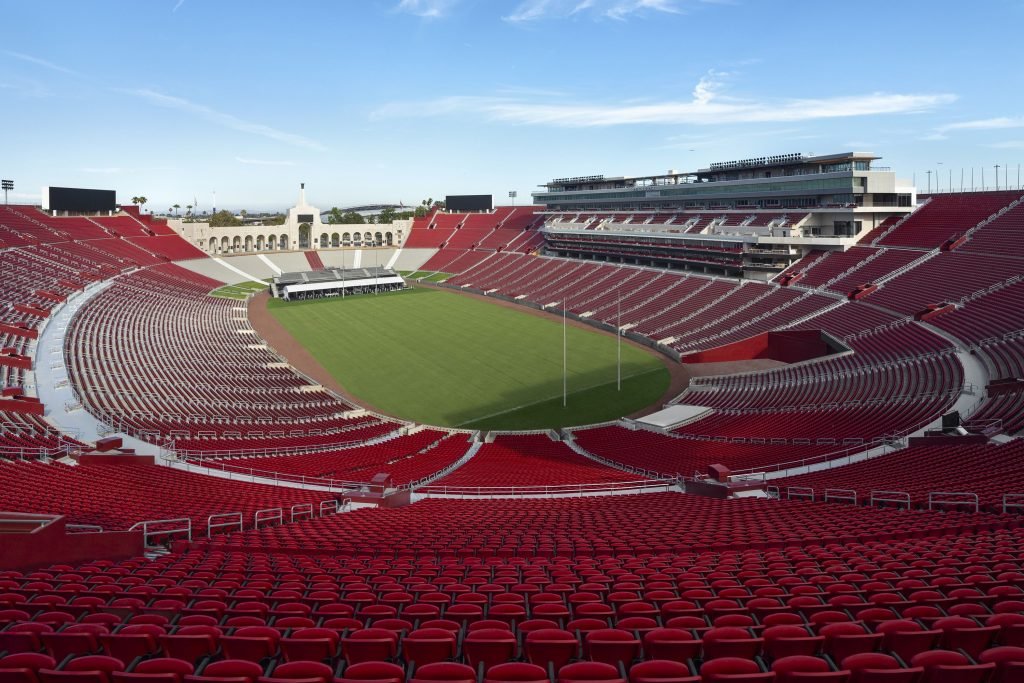
Los Angeles Memorial Coliseum, Los Angeles (USA, 1984):
While not exclusively an Olympic Stadium, the Coliseum hosted the Olympics in 1932 and 1984. Its historic architecture, featuring grand columns and a peristyle end, adds a sense of classical elegance to the stadium.
Allianz Arena, Munich (Germany, 2006): Although primarily a football stadium, the Allianz Arena’s striking architecture, with its external panels capable of changing colors, makes it an architectural landmark. It has hosted Olympic events during the 1972 Munich Olympics.
The Los Angeles Memorial Coliseum in Los Angeles, USA, holds a special place in sports history as a venue that has hosted numerous iconic events, including the 1984 Summer Olympics. Designed by architects John and Donald Parkinson, this historic stadium showcases a blend of classical and modern architectural elements. In this article, we explore the architectural features that make the Los Angeles Memorial Coliseum a timeless marvel, symbolizing the spirit of athleticism and community.
Classical Design:
The Los Angeles Memorial Coliseum embraces a classical architectural style, inspired by ancient Roman and Greek stadiums. The use of grand arches, colonnades, and symmetrical proportions creates a sense of majesty and grandeur. This classical design pays tribute to the rich architectural heritage of the past while providing a timeless backdrop for sporting events.
Peristyle and Torch Towers:
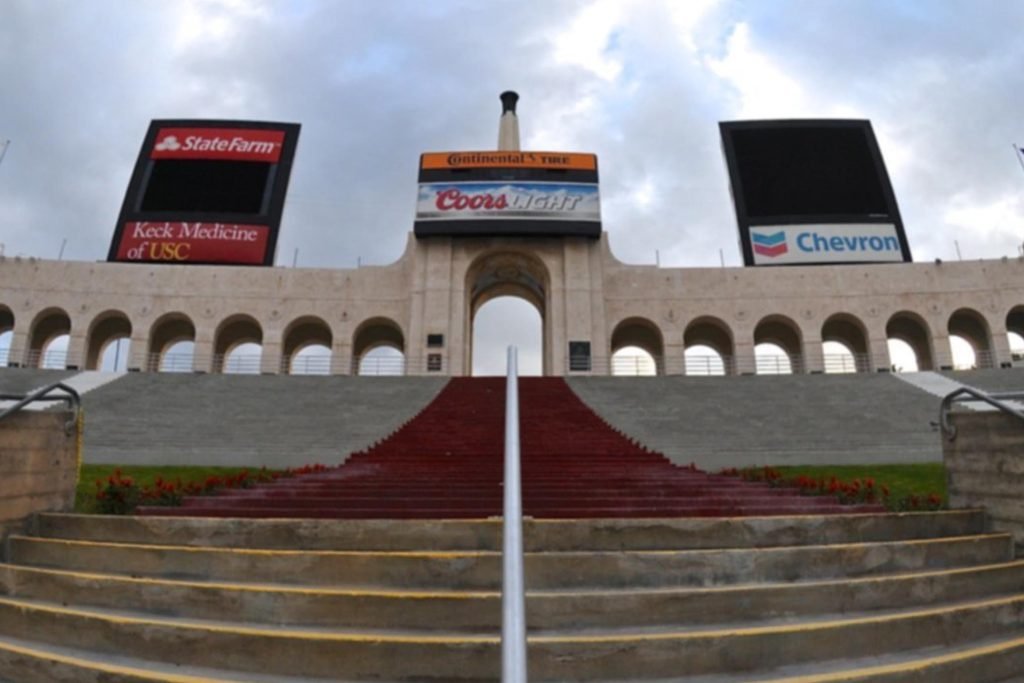
The iconic peristyle, located at the east end of the stadium, is a prominent architectural feature. It consists of a series of majestic columns that surround a central courtyard. The peristyle serves as a visual focal point and provides a dramatic entrance to the stadium. Flanking the peristyle are the torch towers, which house the symbolic flame during the Olympic Games, adding an aura of spectacle and tradition.
Seating Bowl:
The seating bowl of the Los Angeles Memorial Coliseum is renowned for its vast capacity and unobstructed views. The stadium can accommodate over 77,000 spectators, creating an electrifying atmosphere during events. The seating arrangement ensures that fans are in close proximity to the action, fostering a sense of excitement and engagement.
Memorial Court of Honor:
The Coliseum’s Memorial Court of Honor is a significant architectural element that pays tribute to fallen soldiers. The court features a series of plaques and commemorative markers honoring military personnel who made the ultimate sacrifice. This solemn space within the stadium serves as a reminder of the Coliseum’s historical significance and its connection to the community.
Renovations and Modernization:
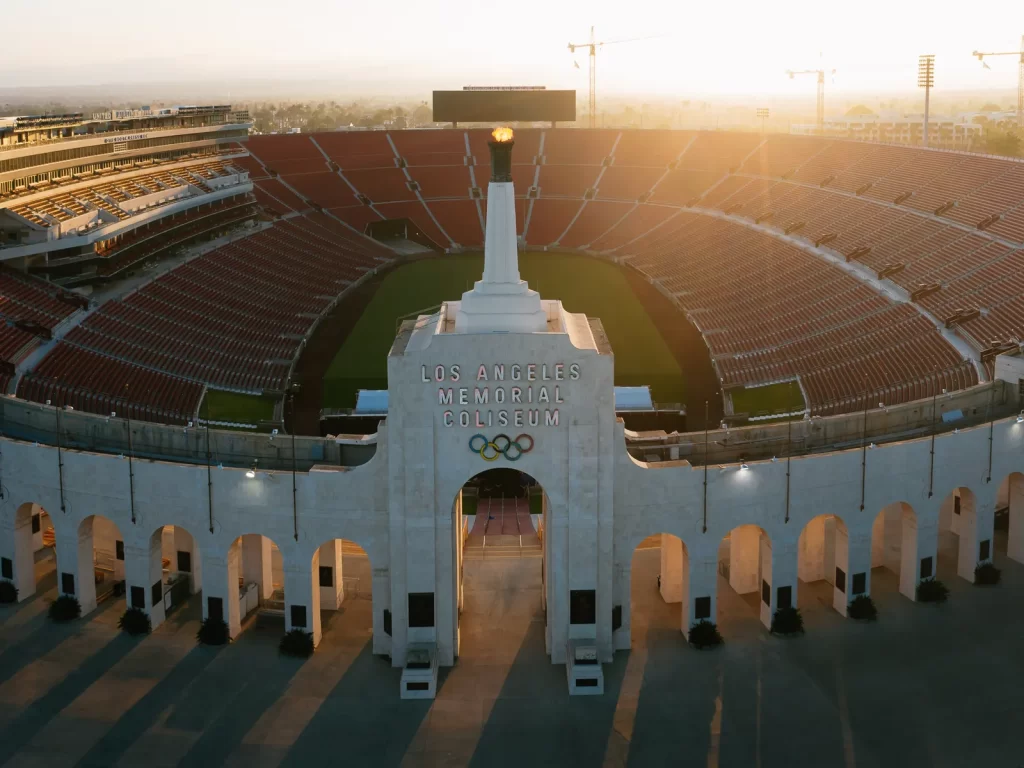
Over the years, the Los Angeles Memorial Coliseum has undergone renovations and modernization to ensure its continued relevance. Upgrades have been made to enhance spectator comfort, including the addition of premium seating and improved amenities. These updates strike a balance between preserving the stadium’s historic character and meeting the demands of contemporary sports and entertainment events.
Towering Perimeter Wall:
The Coliseum is surrounded by a towering perimeter wall that provides both security and a sense of enclosure. The wall features decorative elements and relief sculptures, adding an artistic touch to the stadium’s exterior. This architectural feature creates a distinct boundary for the Coliseum and contributes to its overall visual impact.
Community Legacy:
Beyond its role as a sports venue, the Los Angeles Memorial Coliseum holds a special place in the hearts of the local community. It has hosted significant cultural and civic events, including music concerts, political rallies, and religious gatherings. The stadium’s architectural features and historical legacy make it a cherished gathering place that unites people from all walks of life.
The Los Angeles Memorial Coliseum stands as a testament to the power of architecture to inspire and unite communities. Its classical design, encompassing the peristyle, seating bowl, and memorial court, exudes a timeless beauty and sense of heritage. With its capacity to host monumental events and its enduring connection to the community, the Los Angeles Memorial Coliseum continues to be a cherished landmark and a symbol of sporting excellence in the heart of Los Angeles.