The conversation with Architect Krithika Venkatesh, who leads Studio from Chennai for Earthen Architecture on the occasion of ‘World Environmental Day’ on June 5th was a profound experience, providing a platform for sharing insights and triggering a deep contemplation within me. It was a delightful exploration into the world of architecture, where I discovered that each architect possesses a unique allure and a passion for diverse building types. Gone are the days when a room or space was perceived as merely four walls. A house or a building now serves as a reflection of our inner selves, a manifestation of our thoughts and aspirations. If we were to view it as mere bricks and concrete, we would miss the essence it embodies. The true character of a place is discerned by its inhabitants or its creator.
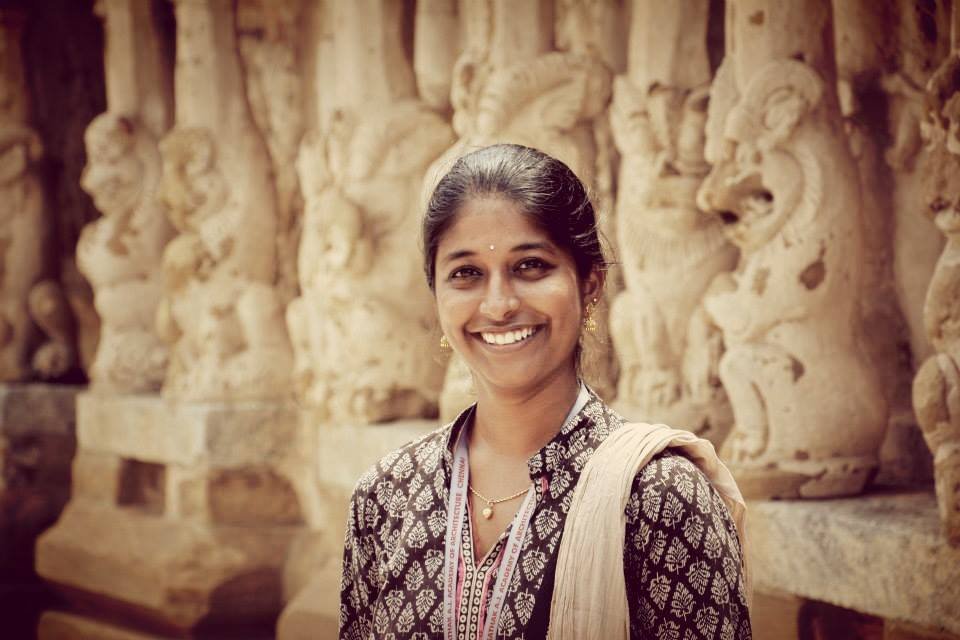
“Throughout My years as a student and my subsequent travels, ancient structures have always captivated me. Temples and buildings that harmoniously coexist with nature have particularly enchanted my soul. The architects behind these creations were often intertwined with the common people, intimately understanding their lives and being an integral part of their communities. It was evident that such endeavors couldn’t be pursued by individuals detached from the fabric of these societies. Thus, it is with great pleasure that I commence this series of articles by paying homage to “Larry Baker,” a figure well-known to us. I extend my heartfelt gratitude to architect Krithika for providing such inspiring insights.”
“Larry Baker, an architect with almost four decades of practice in India, embarked on his architectural journey by constructing simple houses in small towns, gradually expanding to include schools, churches, and hospitals. While many architects adhere to traditional styles, Baker set himself apart by developing local traditional architecture according to the needs of the people. For each home has its own unique requirements.”
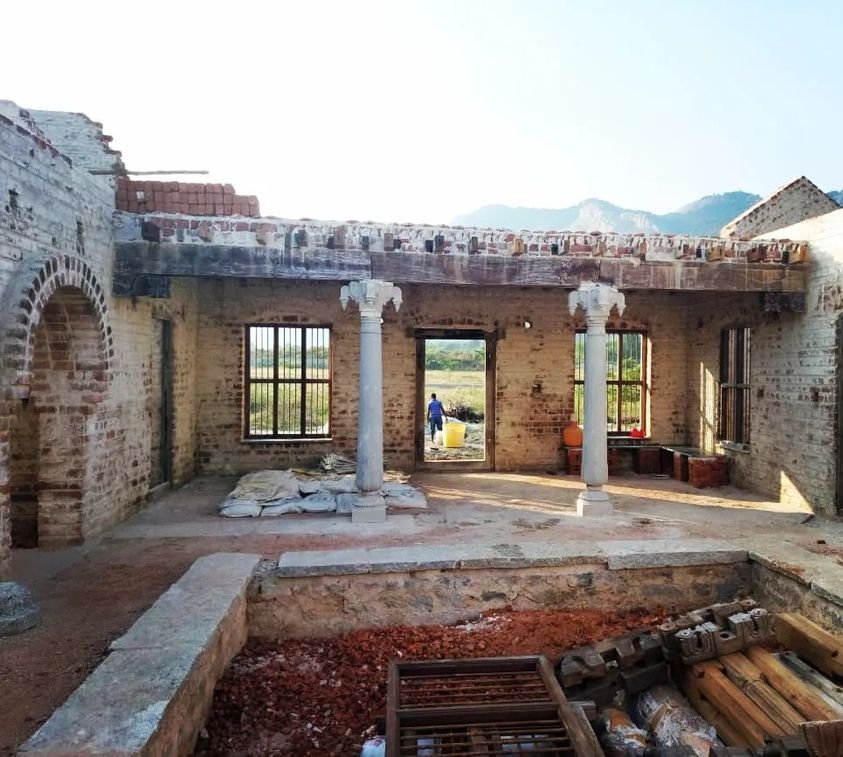
“Rather than adhering to a global architectural style prevalent during his time, Baker began designing his buildings by immersing himself in the architectural traditions of the specific village he was working in. He employed local construction materials and engaged local craftsmen. Baker avoided imposing any generalized architectural concepts on his work. He believed that each individual should adapt their residence or workplace to suit their own needs. Recognizing the diverse cultural population of India, he felt a strong urgency for customized architectural solutions. Thus, he endeavored to streamline traditional methods and employ local building materials to express the distinctive character of his creations.”
“However, it would be remiss to label Baker as a mere ‘conservative.’ He firmly believed that architecture is a multidisciplinary field that evolves and undergoes constant change. Like any other art form, architecture charts its own course, slowly transforming its character. Traditional architecture, in his view, is not confined to rigid structures but evolves alongside the people who utilize it in different places and periods. To gain a deeper understanding, Baker sought the wisdom of generations of construction artisans who had dedicated their lives to the field.”
“Perhaps Baker’s success lies in his ability to develop architectural ideas and principles that are accessible to those with limited financial means to build houses in Kerala. His work has become a renowned symbol of traditional architecture, sparking a revolution in various locations. Through his creations, Baker systematically embodied principles that others had come to realize through their own buildings. He interpreted traditional knowledge, technological advancements, and lifestyle changes as integral aspects of his architectural pursuits.”
“Baker’s comprehension of architecture may have been shaped by his upbringing in England and his time spent in Pithoragarh, a region in Uttar Pradesh, India. At the age of 17, Baker embarked on a bicycle journey across several European cities with his friends. This expedition exposed him to diverse people, places, and houses, enlightening him about the unique design considerations for each town. He asserts that this experience significantly influenced his decision to pursue architecture during his time at the Birmingham School of Architecture.”
In conclusion, the conversation with architect Krithika on ‘World Ecology Day’ opened doors to a world brimming with architectural wonders. Each architect’s passion and attraction towards specific building types became apparent. No longer can we view a room or a space as mere physical boundaries; they have transformed into vessels of self-expression. The story of Larry Baker, with his focus on the integration of traditional architecture and the needs of the people, exemplifies the potential for profound architectural transformations. Baker’s inclusive approach and his ability to adapt to the unique context of each location have left an indelible mark on the architectural landscape. As we continue this series of articles, we celebrate the convergence of traditional knowledge, technological progress, and evolving lifestyles that shape the architectural endeavors of our time.