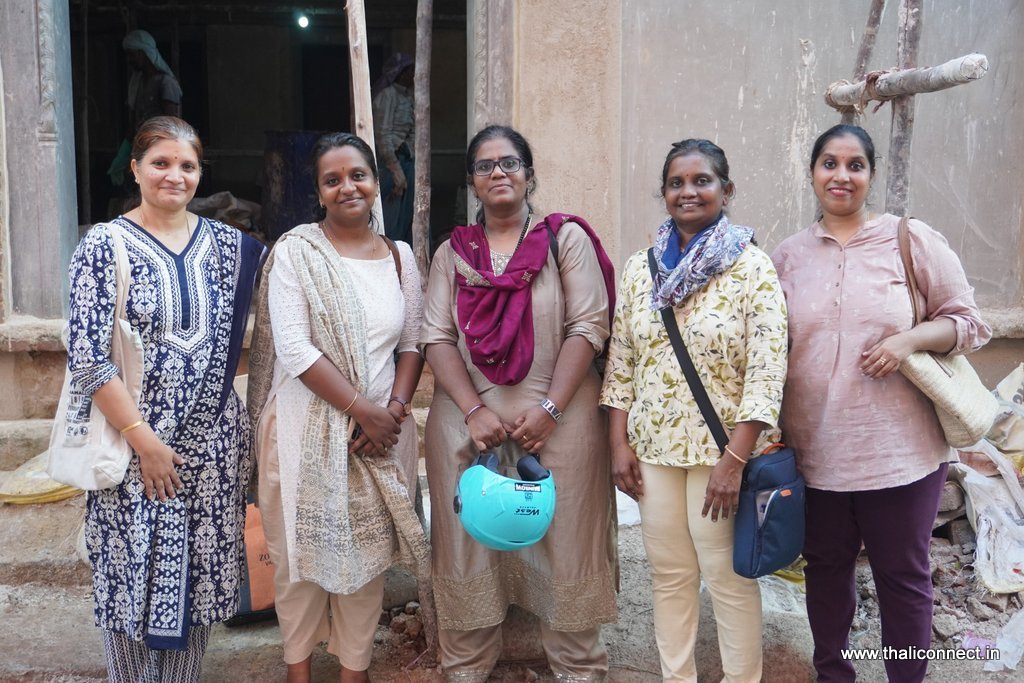
The opportunity to delve into the construction of a Madras Terrace Roof was a wonderful experience, thanks to a workshop in Chennai led by Architect Akshaya Balakrishnan Founder earth_weal and organized by Architect Swetha, founder of WondAr Woman.
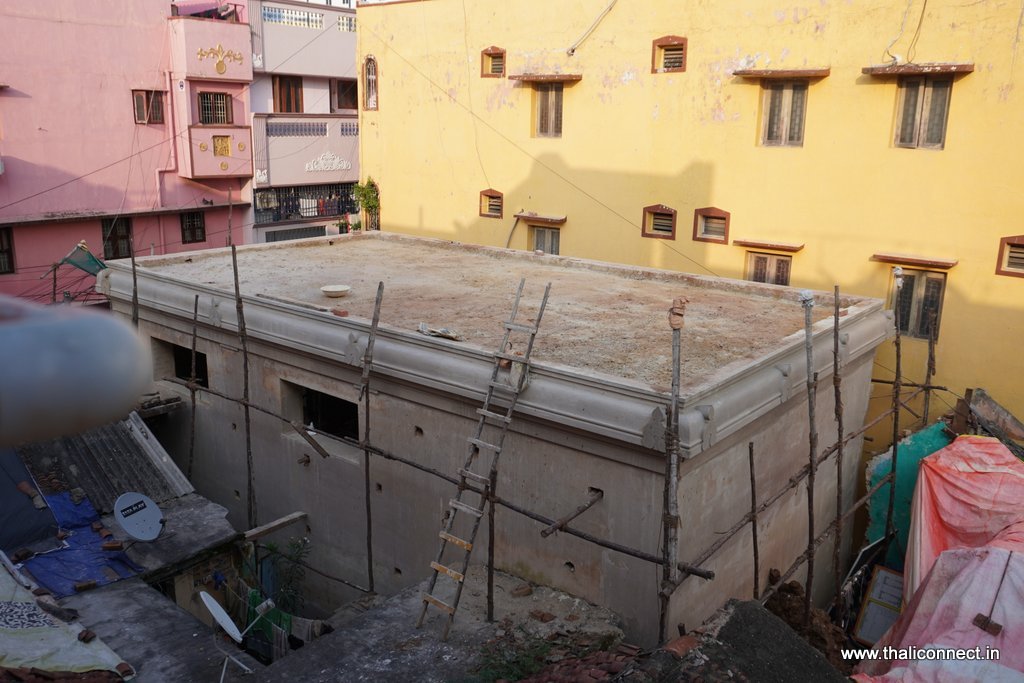
We visited a project in Choolai, Chennai, Tamil Nadu, where the roof for the mandapa (a pillared hall) was in its final stages, allowing us to witness the traditional plastering work being done on a structure featuring three garbhagriha (sanctum sanctorum).
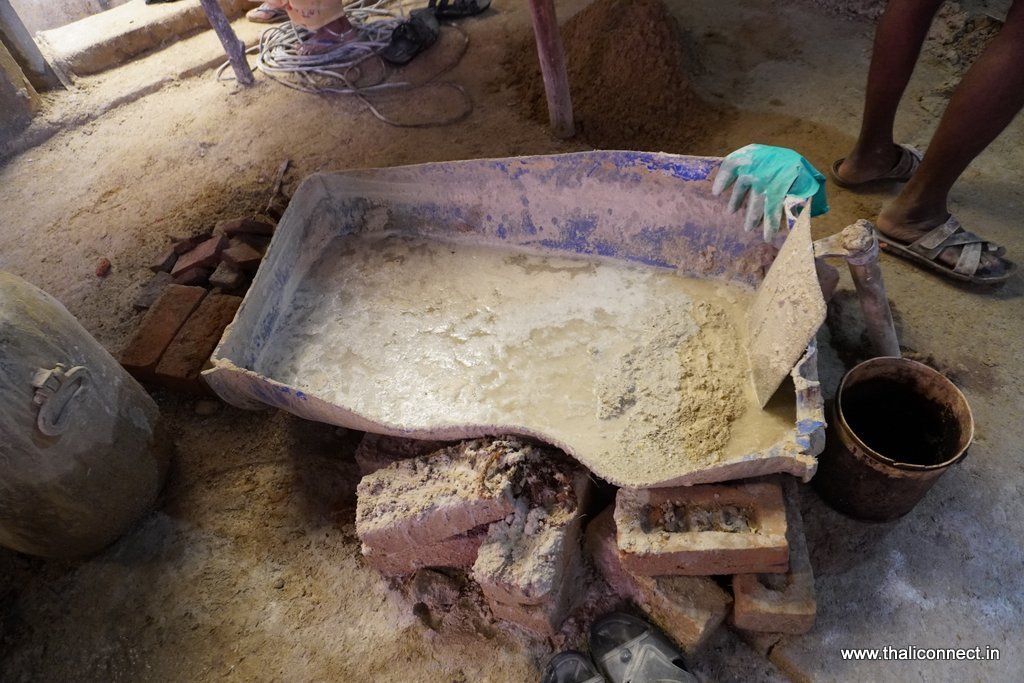
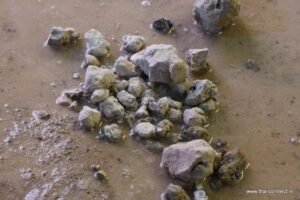
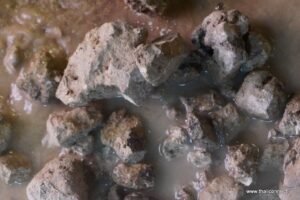
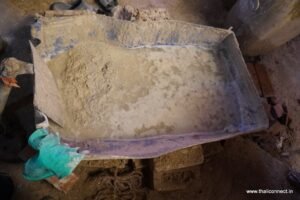
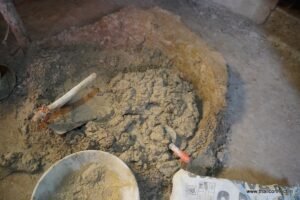
The process began with the sourcing of lime from Pollachi, where Ar. Akshaya explained the crucial difference between baked and raw lime. The initial step involves slaking the lime: adding water causes it to bloom, generate heat, and release carbon dioxide. This mixture is then left to ferment for a minimum of 15 days. The longer the fermentation sometimes with sand already mixed in the better the resulting mortar’s texture and plasticity. This carefully prepared lime ‘milk’ is later filtered and mixed with sand to create the thick, paste-like mortar used for binding the walls and roof elements.
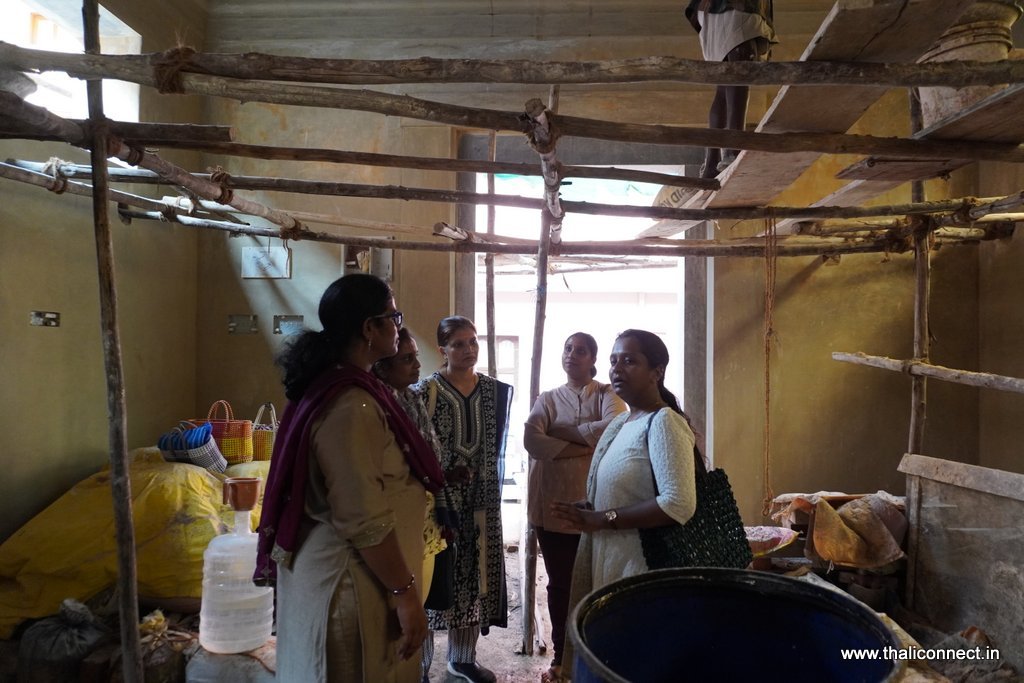
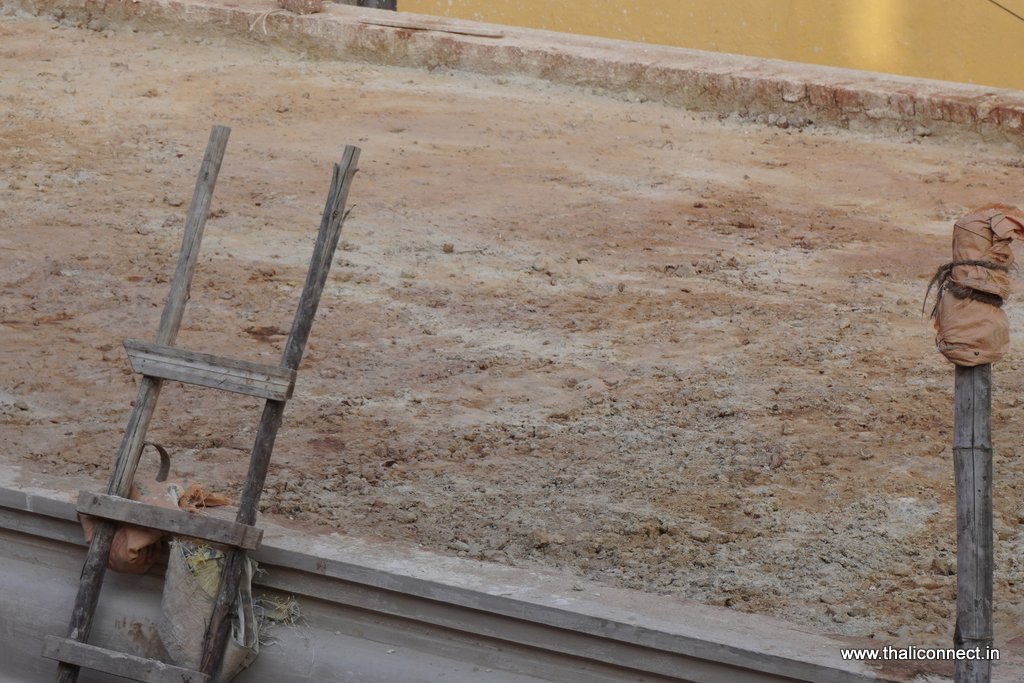
The roof itself is a meticulous, multi-layered construction. An I-section beam provides the central structural support, with wooden rafters running vertically at regular intervals. Looking up from the floor, one sees the unique, diagonally placed “Achchu Kal” bricks, which are smaller than standard bricks. These are securely bound together using the fermented lime mortar. Following this, a diluted lime mixture, along with a fermented concoction of kadukaai and panai vellam (palm jaggery), is sprinkled over the surface. This process is repeated over several days to enhance the roof’s strength and water resistance.
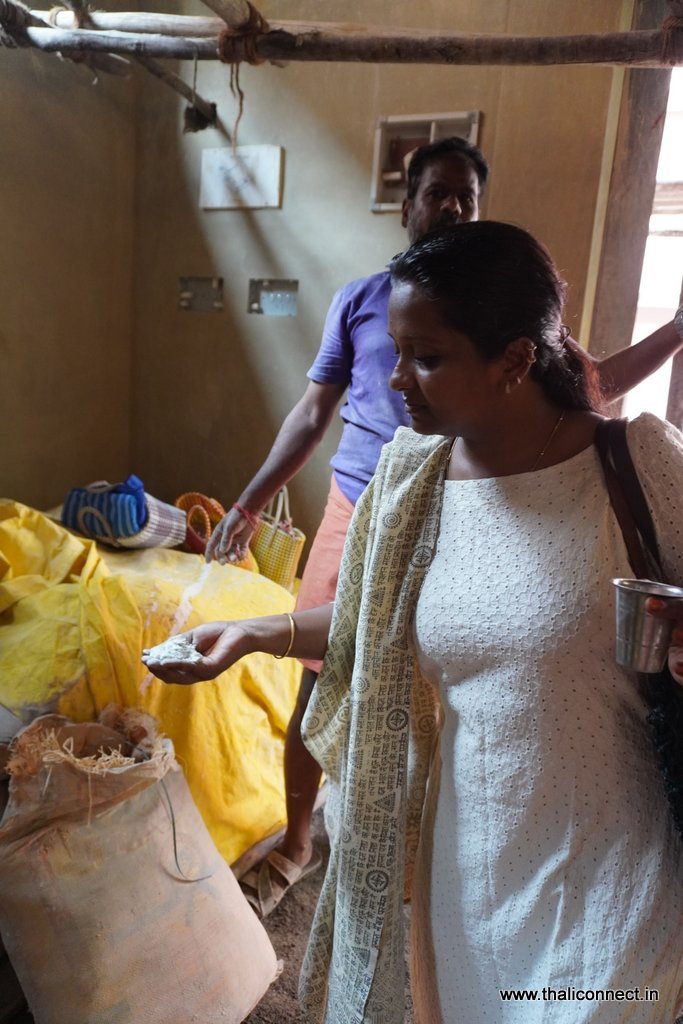
Next, a layer of regular bricks is placed in the opposite direction to the initial “Achchu Kal.” This is followed by a layer of surki (finely crushed brick pieces). Another application of the lime, kadukkaai, and panai vellam mixture is added, and the roof is finished with one or two layers of tiles. Ar. Akshaya noted that the final roof is approximately a foot thick, making the overall load of the structure significantly heavier than conventional roofing systems.
The workshop extended beyond the construction site with insightful discussions about the adaptability of the Madras Terrace Roof to different building typologies and the variations of this traditional practice across Tamil Nadu. The experience of five women architects and enthusiasts talking, sharing, and discussing architecture was incredibly engaging, feeling more like a gathering of friends passionate about the industry.