
The solstice, a celestial event that marks the longest and shortest days of the year, has captivated human beings since time immemorial. For India, it was Wed, Jun 21, 2023 8:27 PM yesterday Solstice Day.
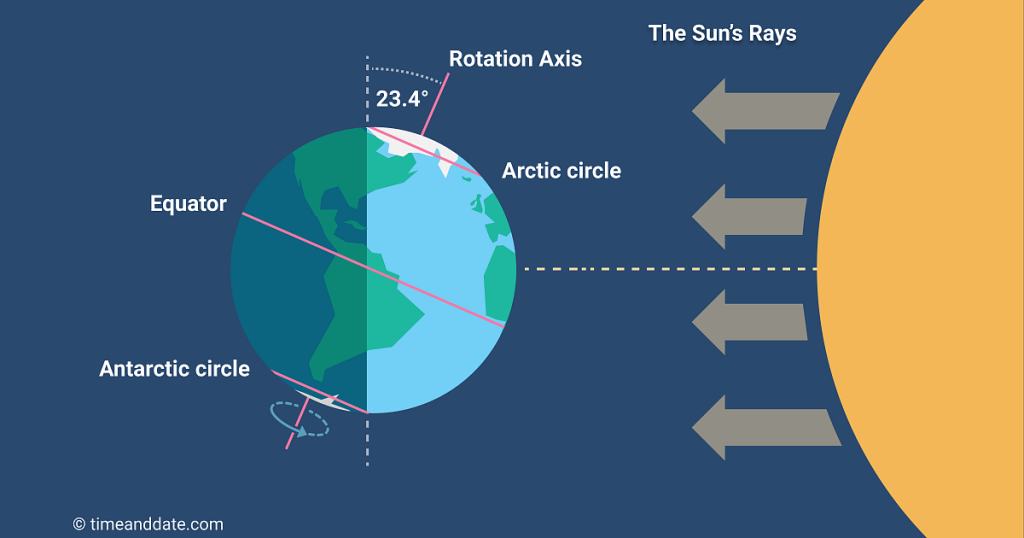
As we celebrate this special occasion, it is intriguing to delve into the intriguing relationship between architecture and the solstice. While architecture is often associated with man-made structures, it also harmonizes with nature’s rhythms, including the solstice. This article aims to explore the fascinating connection between the solstice and architecture, highlighting how architects have leveraged this phenomenon to create remarkable structures that integrate with the natural world.
Harnessing Natural Light:
One of the essential aspects of architecture is the manipulation of light. Architects have long recognized the significance of natural light in shaping the ambiance and functionality of a space. The solstice provides a unique opportunity to showcase the relationship between architecture and light. Structures designed with careful consideration of the solstice can leverage the sun’s path to maximize daylight penetration during the winter solstice or strategically manage solar heat gain during the summer solstice. Examples like the alignment of windows, skylights, and light wells can effectively harness the solstice’s lighting conditions, resulting in energy-efficient and visually stunning spaces.
Solstice-Oriented Design:
Architects have also embraced the solstice as a guiding principle for designing spaces that connect with nature and the cosmos. The solstice offers a reference point for site orientation, influencing decisions about the placement and layout of buildings. Structures can be purposefully aligned with the sunrise or sunset on the solstice, creating a profound connection between the built environment and the cosmic order. Such deliberate design choices allow occupants to witness the play of light and shadows during solstice moments, fostering a deeper appreciation for the natural world and its cyclical patterns.
Symbolism and Rituals:
Throughout history, various cultures have attached profound symbolic meaning to the solstice, and architecture has played a significant role in these celebrations. Structures like Stonehenge in England or Chichen Itza in Mexico are magnificent examples of ancient architecture that align with the solstice. These monumental creations were meticulously designed to mark the precise moments of the solstice, serving as sacred gathering places for rituals and ceremonies. Even today, modern architecture continues to embrace symbolic solstice references, creating spaces that invite contemplation, renewal, and connection with the cycles of nature.
Ecological Integration:
The solstice provides a powerful reminder of our relationship with the environment. Sustainable architecture seeks to harmonize with nature and reduce its ecological impact. The solstice offers architects an opportunity to incorporate environmental considerations into their designs. By leveraging the sun’s path and understanding how sunlight interacts with building materials, architects can optimize energy efficiency and minimize reliance on artificial lighting and climate control systems. The integration of green roofs, solar panels, and passive design principles in solstice-oriented architecture underscores the commitment to creating environmentally conscious structures.
The solstice represents a profound connection between the rhythms of the natural world and the endeavors of architecture. From harnessing natural light to aligning with cosmic patterns, architects have embraced the solstice as a source of inspiration and guidance. By leveraging this celestial event, architects can create spaces that are not only aesthetically captivating but also sustainable and harmonious with the environment. As we celebrate the solstice, let us appreciate the intricate interplay between architecture and the solstice, and how it continues to shape our built environment, connecting us to the world around us.
